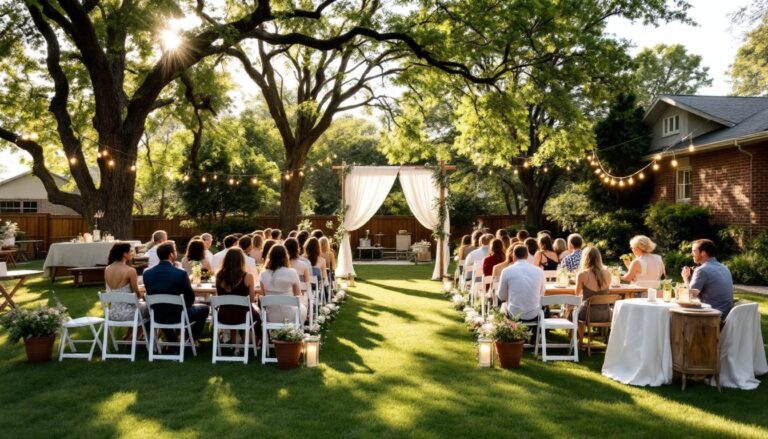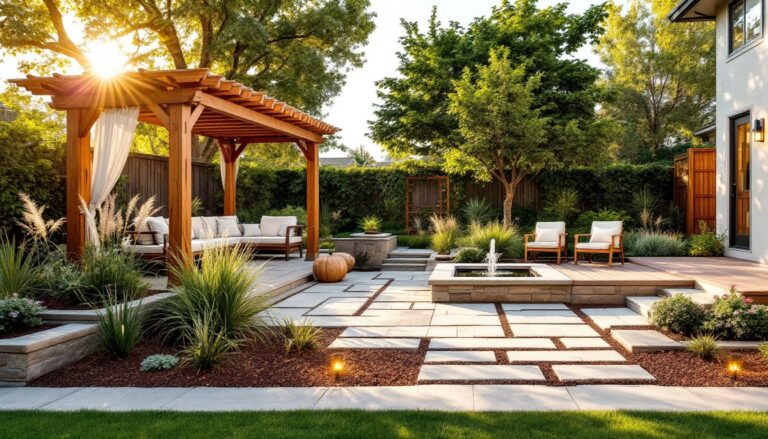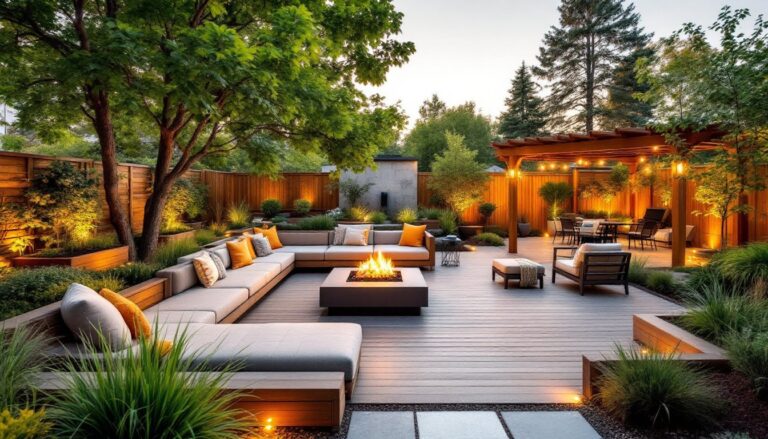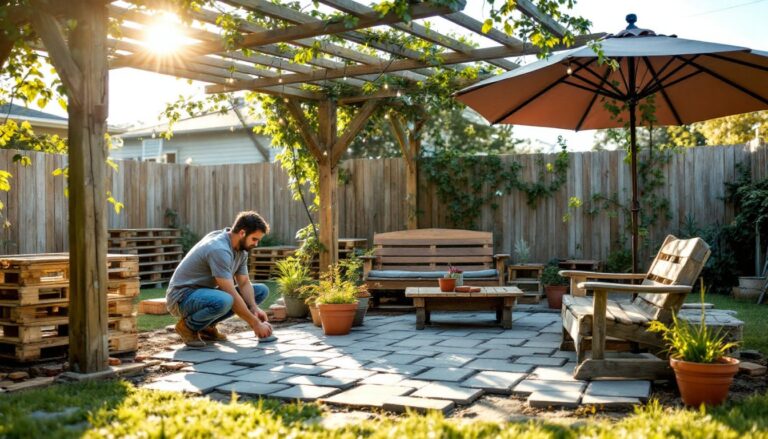
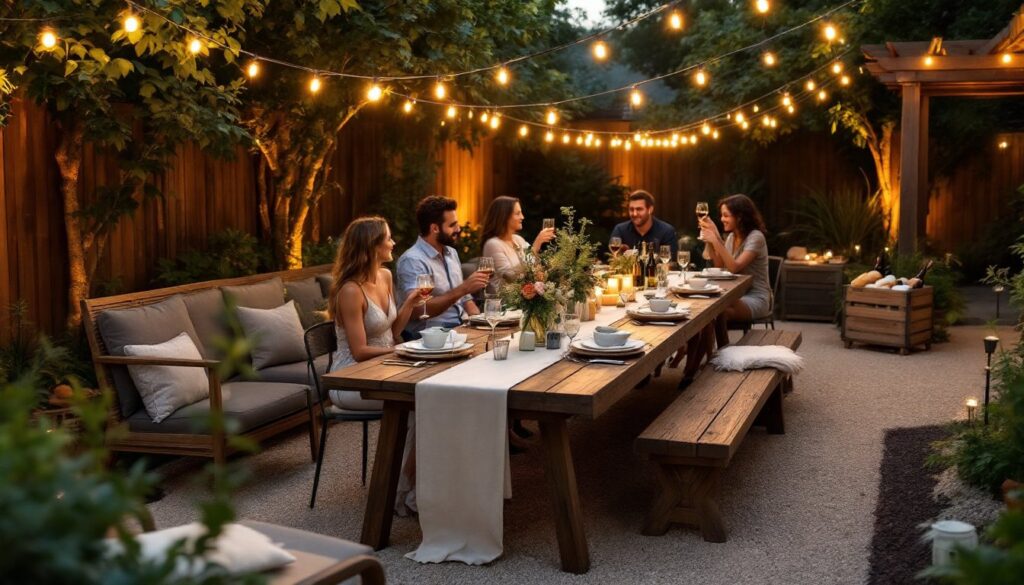
Hosting a backyard dinner party doesn’t require an Instagram-worthy garden or professional event planning skills. With intentional lighting, smart menu choices, and thoughtful setup, any homeowner can create an outdoor gathering that feels polished and welcoming. This guide walks you through the practical steps to host a dinner party that impresses guests and keeps you actually enjoying the evening instead of sweating over details. Whether you’re working with a sprawling yard or a compact patio, these backyard dinner party ideas focus on what matters: good food, comfortable guests, and an atmosphere that invites lingering conversation.
Table of Contents
ToggleKey Takeaways
- Strategic lighting with warm-white string lights and layered fixtures transforms your backyard after sunset and sets an inviting emotional tone for your dinner party.
- Plan a backyard dinner party menu with one make-ahead dish, one cold component, and one simple hot element to stay present with guests instead of rushing in the kitchen.
- Ensure comfortable seating with at least 24 inches per person at the dining table and arrange furniture in circular or loose rectangular patterns to encourage conversation.
- Set up self-service food and beverage stations positioned away from the main table to reduce your workload and let guests control their own pace and portions.
- Establish clear timing—appetizers on arrival, main course within 45 minutes, and dessert 45–60 minutes later—while enlisting a co-host to handle logistics so you remain engaged with guests.
- Weather-proof your event with a tent or canopy backup plan, insect control, and temperature comfort measures like blankets or shade to extend outdoor enjoyment.
Create an Inviting Outdoor Ambiance With Lighting and Decor
Light transforms a backyard after sunset and sets the emotional tone for the entire evening. String lights strung overhead create a canopy effect without looking overdone, aim for 10 to 15 feet of coverage depending on yard size. Warm-white LED options are more forgiving than cool white and consume far less power than incandescent strings.
Layer lighting at different heights. Ground-level solar stake lights or pathway lights guide guests safely while adding visual interest. Tabletop candles or battery-operated tea lights feel intimate without the fire hazard of real flames in a crowded space. If you’re investing in permanent fixtures, recessed deck lights or uplighting on trees offer a polished look that pays dividends for future gatherings.
Decor should be restrained. A simple centerpiece of seasonal flowers, greenery, or herbs clipped from your garden works better than fussy arrangements. Linen napkins (white or natural linen in warm tones) elevate the table without requiring a rental company. A few well-placed potted plants or lanterns anchor the space without cluttering sightlines. Think “understated elegance” rather than “event venue.”
Consider how your existing landscape plays into the backdrop. If you have a fence or garden bed, soft background lighting on those elements creates depth and definition. If your yard is open or backs onto neighbors’ property, a simple privacy screen, trellis, or tall planters can carve out a more intimate gathering zone.
Plan a Menu That Impresses Without Keeping You Chained to the Kitchen
The best dinner party menu is one you can prepare largely in advance. Choose one or two dishes that can be made the day before, one that’s assembled cold, and one simple hot element, not a five-course meal requiring last-minute plating. A composed salad with grilled protein, fresh bread, and a substantial side dish (roasted vegetables, grain salad, or risotto) gives guests a complete meal without requiring a commercial kitchen.
Grilled proteins work well because cooking happens outside and away from the main gathering area. Marinate chicken, fish, or steak the morning of, and grill in batches about 30 minutes before guests eat. This keeps you near the action without being trapped indoors. Alternatively, a slow-cooker entrée prepared that morning requires zero final assembly, just ladle and serve.
Bread or rolls from a quality bakery or homemade the day before sidestep the stress of timing a bake. Pair with herbed butter made in advance. A cold appetizer, crudités with dip, cheese and charcuterie board, or canapés assembled right before guests arrive, keeps early arrivals occupied while you finish last touches.
Dessert should be make-ahead: brownies, bars, fruit compote, or ice cream with a homemade sauce. Avoid anything requiring hot skillets or precise timing at the table. Drinks warrant similar logic, batch a punch or lemonade in the morning and chill, or offer wine and beer guests pour themselves. This hands-off approach means you’re actually present during your own party, which backyard entertaining essentials emphasize as the foundation of a successful gathering.
Set Up Functional Seating and Dining Arrangements
Comfortable seating anchors a successful dinner party. If you’re using a patio table, ensure at least 24 inches of space per person, tighter feels claustrophobic, wider encourages lingering. Mismatched chairs add character and aren’t a problem if cushions unify them visually. A bench seat on one side saves space in smaller yards and creates an informal, convivial feel.
For standing or mingling before dinner, provide a few additional perches: stools, ottomans, or low benches scattered near the bar or appetizer table. Guests appreciate options, some will want to sit immediately, others will prefer to stand and circulate. A small side table next to seating lets people set drinks and plates comfortably.
If your yard lacks a permanent dining surface, a lightweight folding table or an inexpensive door-top-on-sawhorses setup works fine under a tablecloth. A dark or patterned tablecloth hides stains and adds sophistication. Layering with a runner adds visual interest without expense.
Consider sightlines and traffic flow. Don’t position seating so guests must crane necks to see each other or so the path to the restroom forces someone to squeeze behind chairs. A circular or loose rectangular arrangement encourages conversation better than long rows. Leave enough walking room that someone can fetch drinks without bumping elbows. Small space? Multiple smaller tables beat one oversized setup that dominates and fragments conversation.
Design Interactive Food and Beverage Stations
Self-service stations reduce your kitchen traffic and give guests agency over portions and timing. A drinks station with wine, beer, and a non-alcoholic option (sparkling water with fruit, iced tea, or lemonade) positioned away from the dining table keeps refills from interrupting conversation. Label bottles and provide clean glasses: a small bin of ice nearby is essential.
An appetizer or bread-and-cheese board placed on a side table or high countertop lets early arrivals graze while you finish setup. This takes pressure off you to serve drinks constantly while guests trickle in. A second small table with dessert and coffee positioned near seating lets guests help themselves at their own pace post-dinner, keeping you from ferrying plates constantly.
If your yard has a bar cart, outdoor sideboard, or even a folding table draped and styled, it becomes a focal point and removes beverage service from your hands. Guests naturally cluster near it, which eases conversation flow. Label bottles and dishes simply, place cards or tags prevent mystery about ingredients and allergens.
Keep the main dinner table clear of clutter. Place settings, napkins, and utensils are all that belong there. This lines up with backyard designs for entertaining best practices: reserve the dining space for eating, not stashing every item. A separate station for plates, utensils, and serving spoons keeps the table uncluttered and guests from reaching across each other.
Weather-Proof Your Event and Plan for Comfort
Weather is the wildcard in backyard entertaining. A forecast check three days before and again the morning of lets you pivot early. For a high probability of rain, a tent or clear-top patio umbrella isn’t a luxury, it’s a practical necessity. Even a 20×20 pop-up canopy rents affordably and transforms a soggy setup into a functional one. Make sure tent seams are sealed and stakes are secure: a flapping canopy mid-dinner ruins atmosphere.
Insect control matters without being heavy-handed. Citronella candles or coils placed on perimeter tables keep bugs from overwhelming the meal. Fans angled to gently circulate air help repel mosquitoes naturally. Avoid placing fans directly on dining areas where they’ll scatter napkins and make conversation difficult.
Temperature comfort extends time outdoors. On cool evenings, provide blankets or a small fire pit (if safe and legal in your area) so guests linger rather than retreat indoors. String heaters or a tabletop heater positioned behind seating (never directly overhead) add warmth without scorching. On hot evenings, shade and iced drinks prevent discomfort, a pergola or large umbrella over the dining area makes a difference.
Bug bites and sunburn matter less if guests are prepared. Discreetly position bug spray and sunscreen on a side table: a few guests will appreciate it. Similarly, a small basket with extra napkins, mints, or a phone charging station tucked nearby shows thoughtfulness without drawing attention. These touches prevent discomfort from derailing an otherwise excellent evening.
Execute the Perfect Timing and Flow for Your Guests
A successful dinner party has an invisible rhythm. Guests arrive to find appetizers and drinks ready, not a host frantically finishing prep. Aim to have the main course on the table within 45 minutes of the first guest arriving. Earlier, and hungry guests feel hurried: later, and momentum stalls.
Establish clear arrival and departure cues. A 6:30 p.m. start time with dinner at 7:15 p.m. gives guests time to settle and socialize without confusion. A simple text or invitation detail clarifies expectations: “Casual backyard dinner, 6:30–10:00 p.m., appetizers and drinks on arrival.” This sets tone and prevents the awkward 20-minute wait-and-see.
Pacing the meal itself matters. Serve appetizers as guests arrive, move to the main course after 20–30 minutes of mingling, and hold dessert until 45–60 minutes later. This rhythm prevents food from going cold and ensures energy doesn’t flag. A 15-minute break between the main course and dessert (for clearing, settling, and conversation) feels natural and lets stomachs register fullness.
Manage logistics quietly. Enlist one trusted friend or family member as a co-host to help clear plates, refill drinks, or field questions so you’re not vanishing constantly. According to outdoor dinner party ideas, the best hosts remain visible and engaged, which happens only if tasks are distributed. Brief your co-host beforehand on the timing so cues are silent and seamless. A simple nod or glance signals it’s time to clear or refill rather than barked instructions.
Conclusion
Hosting a memorable backyard dinner party rests on practical groundwork, not perfection. Thoughtful lighting, a manageable menu, comfortable seating, and clear timing combine to create an evening guests remember for the right reasons: good food, genuine company, and a host present enough to enjoy it alongside them. Start with one or two of these strategies this season and build from there. Your backyard isn’t a venue, it’s an extension of your home, and that authenticity is what makes gathering outdoors special.