
A functional, inviting patio doesn’t require a contractor’s fee or a second mortgage. Many homeowners assume they need deep pockets to create an outdoor entertaining space, but smart material choices and hands-on work can deliver results that rival professionally designed yards. Whether you’re starting from bare soil or refreshing an existing foundation, budget-friendly patio ideas focus on resourcefulness: repurposing materials, choosing durable but affordable flooring options, and building seating and ambiance with salvaged or secondhand finds. This guide walks you through practical, budget-conscious approaches to transform your backyard into a welcoming gathering spot, without the sticker shock.
Table of Contents
ToggleKey Takeaways
- DIY backyard patio ideas on a budget are achievable through repurposing salvaged materials from demolition yards, neighbors, and online marketplaces like Craigslist and Facebook Marketplace.
- Affordable flooring solutions include gravel with landscape fabric ($5/sq ft), concrete pavers ($3–8/sq ft), or free wooden pallets sealed with exterior polyurethane for protection.
- Budget-friendly seating can be built from reclaimed pallets, thrift store benches, or a DIY picnic table made from pressure-treated lumber for $100–150 in materials.
- Solar string lights ($15–40) and battery-operated LED candles provide ambiance without electrical work, while potted plants and outdoor rugs add personality for minimal cost.
- Shade structures like DIY pergolas ($200–500) or shade sails ($100–400) extend your entertaining season and can be paired with inexpensive climbing vines for natural, renewable coverage.
Start With What You Have: Repurposing Existing Materials
Before buying anything new, take inventory of what’s already on your property or available for free from neighbors, demolition sites, or online marketplaces. Reclaimed brick, concrete pavers, leftover lumber from previous projects, and old landscape timbers can all form the foundation of a budget patio.
Look at hardscaping materials with honest eyes. An old wooden deck that’s past its prime as a raised structure might become rustic seating or planters around the perimeter. Cracked concrete pavers can be reset, power-washed, and arranged in new patterns. Stone and brick typically outlast their original placement and can be salvaged without major damage.
Check with local demolition yards or salvage shops, many offer steep discounts on gently used materials by the pound. Craigslist, Facebook Marketplace, and Nextdoor are goldmines for free or cheap pavers, wood, and gravel that homeowners are discarding during renovations. One DIY enthusiast can spend a Saturday hauling reclaimed materials and save hundreds versus ordering new inventory. Just ensure anything you repurpose is structurally sound and, if it’ll hold seating or foot traffic, test its stability first.
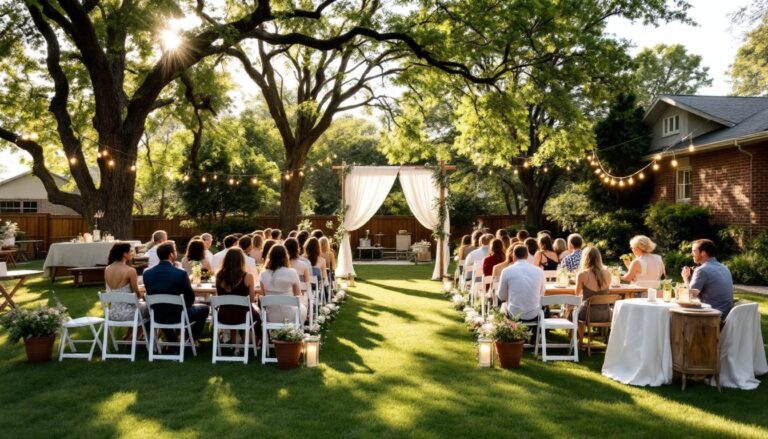
A Small Backyard Entertaining Area often benefits most from repurposed materials, as creative reuse can actually enhance the vintage or eclectic charm many homeowners love.
DIY Patio Foundation: Affordable Flooring Solutions
The patio floor is the anchor of your outdoor space, and you have budget-friendly options that don’t sacrifice durability. Your choice depends on climate, foot traffic, and how much prep work you’re willing to handle.
Pallets and Reclaimed Wood
Wooden pallets, especially untreated or heat-treated (HT) pallets, make surprisingly functional patio decking if you’re willing to sand and seal them. Free pallets are available at warehouses, stores, and industrial sites: always ask permission before taking them. Avoid pallets stamped with MB (methyl bromide), a chemical treatment: look for HT (heat-treated) instead.
To build a pallet patio, arrange pallets on a level bed of gravel or sand (compacted and leveled first), then fasten them together with exterior-grade deck screws and galvanized bolts. Sand the entire surface and apply at least two coats of exterior polyurethane or deck sealant to protect against moisture and UV damage. This approach costs a fraction of traditional decking lumber and takes a weekend or two of labor. The downside: pallets wear faster than pressure-treated wood, so expect refinishing every 2–3 years in high-traffic areas.
Reclaimed wood beams and floorboards salvaged from old structures create character and cost less than kiln-dried treated lumber. Sand them thoroughly, as old wood often harbors dirt and splinters, then seal with an outdoor finish rated for ground contact.
Budget Hardscape Alternatives
If wood isn’t your style, compacted gravel with a layer of landscape fabric underneath is the cheapest, most DIY-friendly flooring. It drains well, looks intentional, and costs just a few dollars per square foot. Downsides: you’ll need to rake and replenish gravel annually, and weeds require vigilance. Edge the gravel patio with wooden planks or metal edging to keep it contained and define the space.
Poured concrete is pricier upfront ($6–12 per square foot, depending on region and finishes), but it’s durable, low-maintenance, and takes a weekend to cure. A concrete slab isn’t glamorous, but it’s the workhouse option and can be finished with stain, sealer, or even decorative stencils to add personality without extra cost.
Concrete or clay pavers ($3–8 per square foot, material only) laid on a compacted sand base offer a middle ground. Lay them in a grid or running bond pattern over landscape fabric and compacted soil or gravel. They’re affordable, replaceable if one cracks, and easier for a DIYer than pouring concrete. According to 10 ways to save money on a new patio, choosing pavers over stamped concrete can cut material costs by 30–40% while still delivering a polished look.
Add Seating and Dining on a Dime
A patio without seating is just a floor. Fortunately, affordable seating options range from DIY-built benches to upcycled furniture that costs next to nothing.
Secondhand wooden pallets, storage benches from thrift stores, and repurposed kitchen chairs can be sanded, stained, and sealed to create a mismatched-but-charming dining setup. Add outdoor cushions from discount retailers or cover old cushions with weatherproof fabric. A simple wooden picnic table, built from 2×10 and 2×6 pressure-treated lumber, can be cut and assembled in a day for around $100–150 in materials. Plans are widely available, and you only need a miter saw and drill.
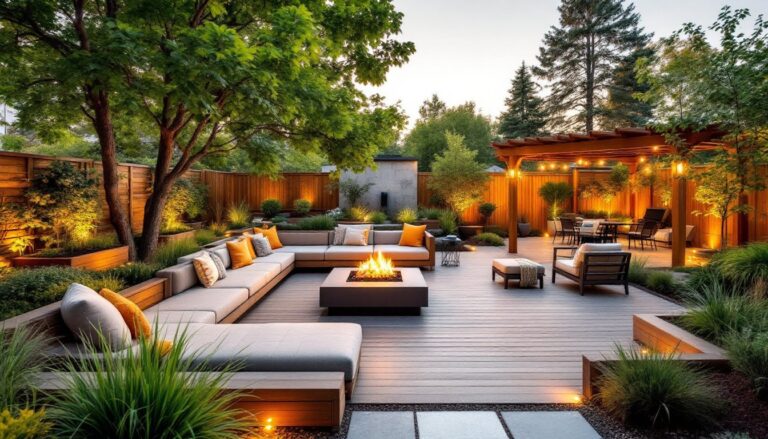
Built-in bench seating along the patio edges uses less space than freestanding chairs and anchors the layout. Construct frames from 4×4 posts and 2×12 joists, fill with cedar boards, and add hinged storage underneath, a bonus for stashing cushions or tools. A modest 8-foot bench seating area costs $200–400 in materials.
Dining tables don’t need to be fancy. A reclaimed door or heavy plywood top mounted on a base of 4×4 posts creates a rustic table. Alternatively, salvage a café-style bistro set (often available secondhand) and refinish it with spray paint and outdoor sealant. Budget $50–150 for the structure, plus finishing materials.
Create Ambiance With Low-Cost Lighting and Decor
Lighting transforms a patio from a daytime hangout into an evening destination, and you don’t need to run electrical lines to achieve impact. Solar-powered pathway lights, string lights, and lanterns deliver atmosphere cheaply.
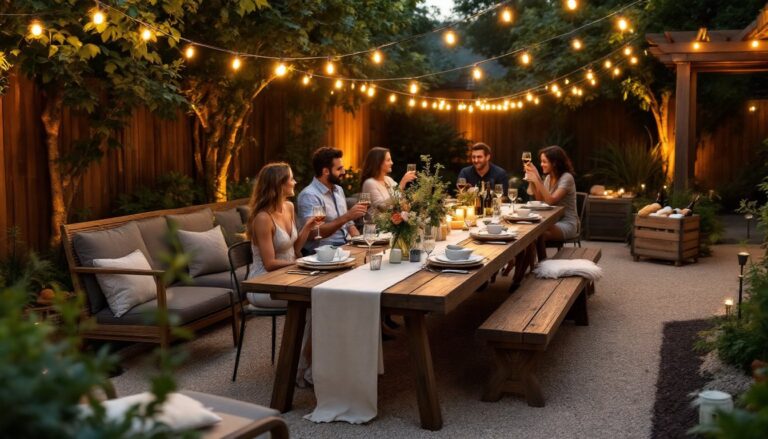
Solar string lights ($15–40 per strand) require no wiring and automatically charge during the day. Drape them overhead for a café feel or stake them around the perimeter. Solar post caps for fence tops and backyard entertaining essentials like pathway markers add visual interest for minimal cost. Battery-operated LED candles ($5–20) are safer than real flames and work in any weather.
If you’re comfortable with basic electrical work and local codes permit, low-voltage landscape lighting ($50–200 total for a DIY system) gives more control than solar. Run low-voltage wire (typically 12V) from a transformer plugged into a nearby outlet, then place LED fixtures along pathways or accent plantings. Always verify your local electrical code (often part of the IRC or NEC) before any outdoor wiring: some jurisdictions require permits or licensed installation. When in doubt, consult a licensed electrician.
Decor costs almost nothing if you’re creative. Potted plants, garden stakes, and painted rocks add color and personality. A DIY herb or vegetable garden in salvaged containers serves double duty, beauty plus functionality. Outdoor rugs (from discount stores or online) define zones and add warmth: choose fade-resistant, weather-safe materials.
Dit-it-yourself wall art or a repainted garden gate becomes a focal point. Stain or paint creates transformation without expense. Inspiring ideas can be found on home design ideas for modern living, where you’ll see how small touches elevate an outdoor space.
Shade Solutions That Won’t Drain Your Wallet
A shaded patio extends your season and makes summer gatherings comfortable. Permanent shade structures (pergolas, arbors, shade sails) require more upfront cost and sometimes permits, but they’re worth the investment for long-term use.
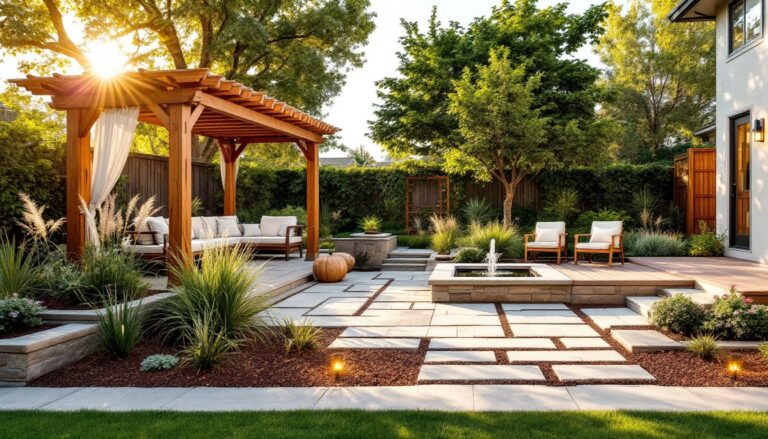
A basic open-frame pergola built from untreated 4×4 posts and 2×6 cross-beams costs $200–500 in materials and takes a weekend to build. Set posts in concrete footings (dig 2–3 feet down, below your local frost line) for stability. Pergolas don’t block sun entirely but filter light and provide a framework for climbing vines, which eventually thicken the shade at no extra cost.
Shade sails, triangular or rectangular fabric anchored at corners, cost $100–400 and go up in an afternoon. They’re portable, UV-rated, and block 70–90% of sun depending on the fabric grade. They also look contemporary and create visual interest.
For the shortest-term, lowest-cost solution, large patio umbrellas ($30–100 each) offer instant shade and can be moved as the sun shifts. They’re less permanent but perfect for renting, small patios, or testing a layout before building fixed shade.
Climbing vines (ivy, clematis, jasmine) grow on a trellis or pergola for the cost of a few starter plants ($10–20 each). Vines take 2–3 seasons to mature but then provide free, renewable shade and privacy. Pair them with backyard designs for entertaining to see how shade structures enhance both aesthetics and usability.