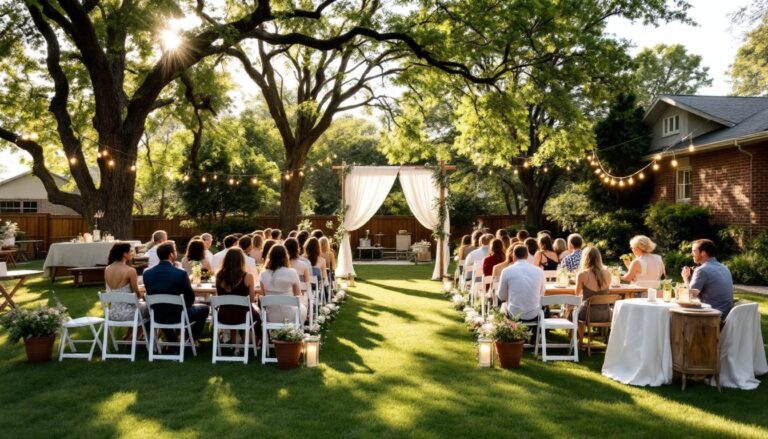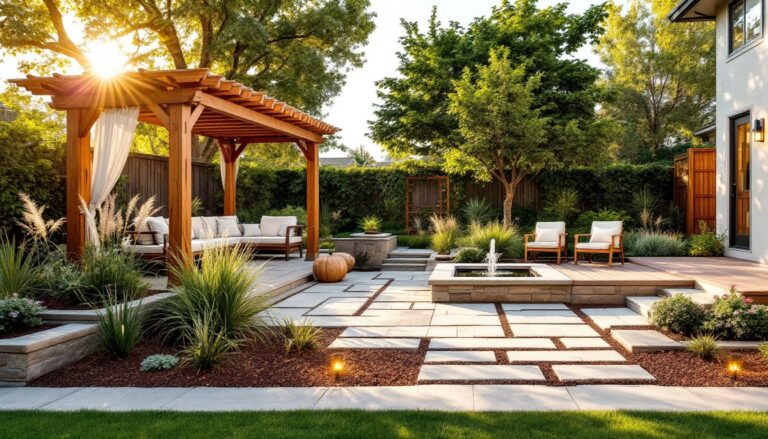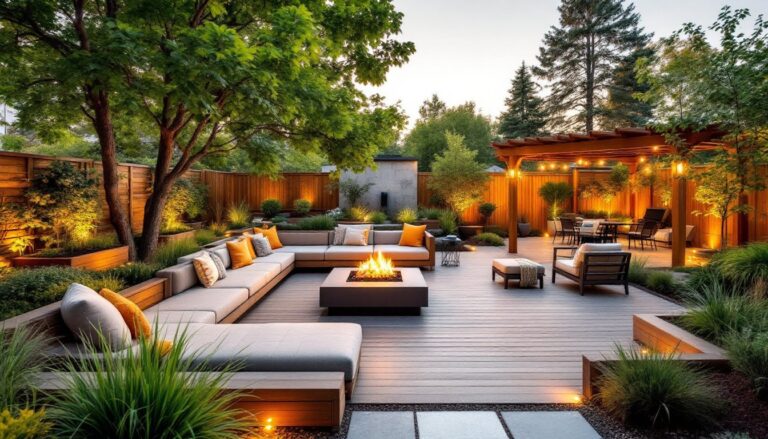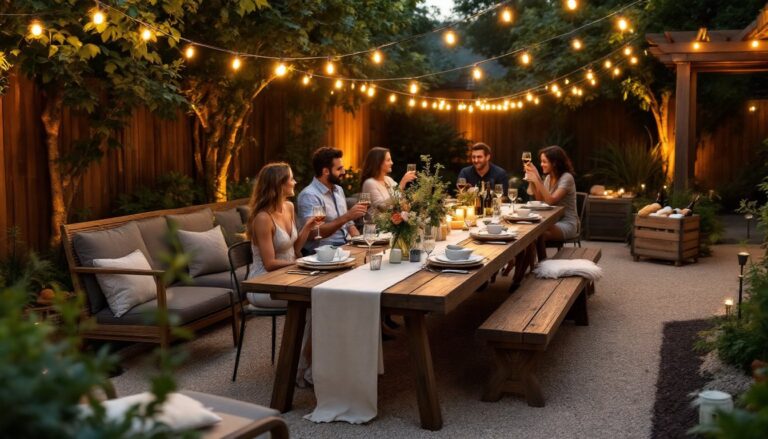
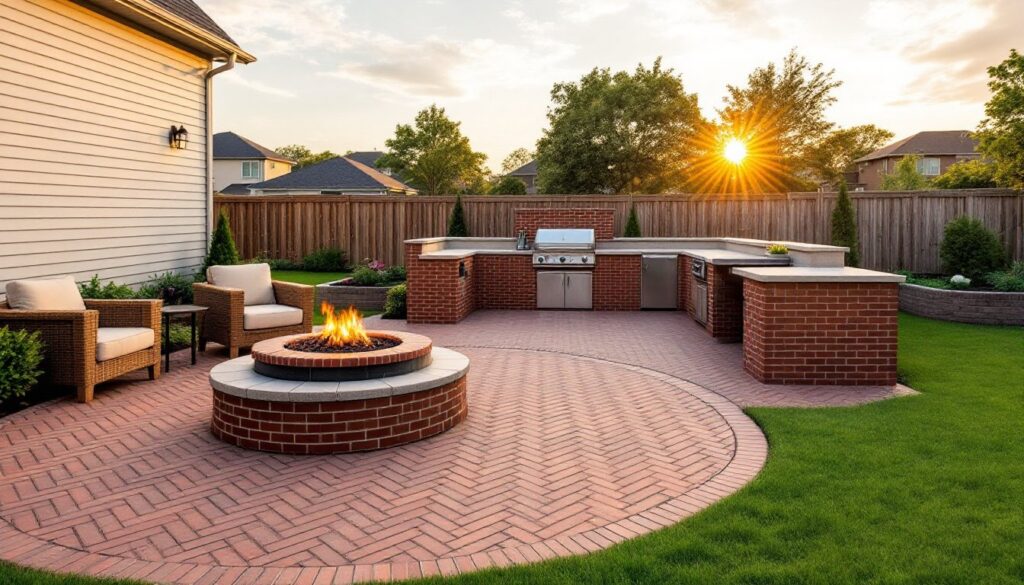
Brick is the workhorse of backyard design. It’s durable, versatile, and honestly, it never goes out of style. Whether you’re laying your first patio or expanding an entertainment zone, backyard brick ideas range from classic herringbone patterns to modern functional structures that can handle decades of weather and foot traffic. This guide walks you through seven proven brick projects that turn ordinary yards into outdoor rooms, no contractor markup required, though some projects might need a permit or extra hands.
Table of Contents
ToggleKey Takeaways
- Backyard brick ideas span from classic herringbone and chevron patio patterns to modern running bond layouts, each offering different aesthetics and installation challenges suited to various yard sizes and styles.
- Proper base preparation with 4 inches of compacted gravel and 1/8-inch-per-foot drainage slope are critical to prevent freeze-thaw damage and uneven settling in brick patios, walkways, and structures.
- Fire pits and seating walls require careful sizing (4-foot diameter for 4–6 people), double-ring construction for durability, and compliance with local fire codes regarding distance from structures.
- Raised brick garden beds eliminate wood rot concerns and provide flexible sizing options, with corners requiring mortared or anchored construction to prevent shifting under foot traffic and soil load.
- Outdoor brick kitchens and grill surrounds demand structural footings, proper clearances (10 feet minimum from wood structures), and refractory materials for pizza ovens, making safety and ventilation non-negotiable.
- Budget approximately 1,200–1,400 standard bricks for a typical 20×16-foot entertaining space and plan for 5–10% extra brick when using patterns like herringbone that require more cuts and waste.
Brick Patio Designs That Maximize Entertainment Space
A brick patio forms the backbone of any outdoor gathering area. The right design balances aesthetics with function, you need room to move, arrange furniture, and accommodate foot traffic without looking like a parking lot.
Classic Herringbone and Chevron Patterns
Herringbone remains the gold standard for patio elegance. Bricks lay at 45-degree angles in alternating directions, creating a V-shaped pattern that draws the eye across the space. This pattern looks sophisticated but comes with a trade-off: more cuts and waste (plan for 5–10% extra brick), and each brick shoulders half the weight in the pattern. If you’re hand-laying, herringbone demands patience and a wet saw with a diamond blade for clean cuts.
Chevron runs parallel to one edge instead of diagonal, giving a more directional, purposeful feel. It works especially well in narrow yards where you want to visually stretch the space. Both patterns require careful layout, snap chalk lines and dry-lay the first three rows before setting mortar. Slight deviations compound across 100+ bricks.
Modern Running Bond Layouts
Running bond is the workhorse pattern: each brick offset by half its length, like bricks in a house wall. It’s faster to lay, uses fewer cuts, and photographs clean against contemporary outdoor kitchens or fire features. Running bond also distributes weight evenly and handles freeze-thaw cycles well because there’s no concentrated stress at pattern joints. If you’re using decorative brick faces (smooth, tumbled, or colored), running bond lets the individual brick character shine without visual interference.
For patio size, standard is 3–4 inches below finished grade for drainage. A 20×16-foot space (typical for entertaining) needs roughly 1,200–1,400 standard bricks. Budget 4–6 bags of polymeric sand per 100 square feet: this stuff hardens when wet, locks joints, and resists weeds better than traditional mortar.
Creative Brick Walkway and Pathway Solutions
Pathways do more than move people, they define yard flow and guide eyes to focal points. Brick walkways can be narrow (2–3 feet for single-file access) or wider (4–5 feet for side-by-side strolling).
Soldier course edges flank a running-bond center, creating a formal frame that anchors the path visually. This works well for leading guests from house to patio or garden. A basic 3-foot-wide, 40-foot path needs about 480 bricks plus roughly 30 linear feet of border brick. The edging prevents the path from spreading under foot traffic.
Basket weave patterns (bricks laid in small interlocking squares) feel cottage-style and work beautifully for curved paths. Just accept that curves mean more cuts and more setup time. Lay curves with a garden hose first as a guide.
Pro tip: Backyard pathways take settling and frost heave more than patios do. Ensure proper base preparation, 4 inches of compacted gravel minimum, and consider a landscape fabric barrier to prevent gravel migration into soil. Uneven settling is the #1 complaint with DIY brick walks. A small backyard entertaining area benefits enormously from well-defined walkways that create natural traffic patterns without cluttering the view.
Slope pathways 1/8 inch per foot for drainage away from structures. Don’t skim this step: water pooling under brick accelerates freeze-thaw damage.
Rustic Fire Pit and Seating Areas Built With Brick
A brick fire pit becomes an outdoor living room. Unlike metal rings, brick holds heat, ages beautifully, and costs less per unit once you’re already buying brick for patios.
Fire pit sizing matters for both safety and function. A 4-foot-diameter pit allows seating 4–6 people comfortably around it without leaning back dangerously. Smaller pits (3 feet) work in tight yards but feel cramped. The depth is typically 24–30 inches, deep enough to contain a fire without becoming a soot trap.
Layout and structural notes: Stack bricks in running bond around a circular form (mark the circle with string and a stake beforehand). Each ring adds about 18 inches to the diameter. A double-ring pit (two bricks thick) is safer and more durable than single-ring. Check local fire codes before building: many jurisdictions require fire pits to be 10–15 feet from structures and forbid them in certain seasons or fire danger levels.
Seating walls (12–18 inches high) let you double the pit as bench seating. Cap the wall with flat stones or finished brick caps for comfort and weather protection. These walls typically sit 4–5 feet back from the pit edge. Use a level constantly: even 1 inch of drift becomes obvious when you’re sitting.
Mortar is optional for fire pits if you’re using the pit seasonally and can accept slight settling. Dry-stack fire pit walls and leave gaps for water drainage. Trapped water freezes, expands, and spalls the brick. Mortar-laid pits are more permanent and weather seasonal changes better, but cost more and need careful curing. For expert guidance on complex features, resources from This Old House cover restoration techniques that apply to durable outdoor masonry.
Raised Garden Beds and Planter Boxes Using Brick
Raised beds solve drainage problems and give vegetables and flowers better root depth. Brick looks cleaner than wood (no rot risk, no treating chemicals) and requires minimal maintenance.
Standard dimensions: 4 feet long × 2 feet wide × 12 inches high accommodates most vegetables and fits tidily into landscape grids. This size needs 40 bricks (10 per side, two layers). A deeper 18-inch bed (60 bricks) suits root crops like carrots and parsnips.
Corners are critical. Stack bricks vertically at corners (not running bond) and use rebar or concrete anchors if you plan to step on the edges or the bed will hold heavy soil load. A dry-laid bed of 4 bricks per side might shift under foot: mortared corners stay put. Use exterior mortar rated for ground contact, not standard masonry mortar.
Soil fill is not cheap. A 4×2×1-foot bed holds roughly 8 cubic feet of soil. Quality garden soil runs $25–50 per cubic yard depending on region: you’ll need 1/3 yard per bed. Factor this into planning before you buy bricks. Some homeowners save by mixing topsoil, compost, and existing soil 1:1:1.
Pro move: Line the bottom with hardware cloth (1/4-inch mesh) to exclude burrowing voles and groundhogs. Staple it to the brick or weigh it down with soil. For small backyard entertaining ideas, a row of raised beds along a fence edge defines the landscape, produces vegetables, and looks intentional rather than cluttered.
Brick Outdoor Kitchen and Grill Stations
An outdoor kitchen anchors serious entertaining. Brick-built structures (pizza ovens, grill surrounds, countertops) last decades and gain character with age and weathering.
Grill surround basics: A brick wall behind and to the sides of your grill (typically 3–4 feet high and 6–8 feet wide) protects siding and provides a visual backdrop. It also extends the grill’s productive life by shielding it from direct wind and rain. Space bricks 1/2 inch apart for mortar joints: closer spacing makes lines more visible and formal, wider spacing more rustic.
Counter-height work surfaces (36 inches) let you prep and stage food without bending. A modest 4-foot-long counter needs about 120 bricks plus a finished stone or composite top. Support brick counters on a solid footing, never rest them on soil or uncompacted base. They’re heavy (easily 3–4 tons filled) and settlement cracks mortar fast.
Brick pizza ovens are the crown jewel but demand real skill and often a permit because they’re structural elements tied to foundations. A basic domed oven requires 300–400 specialty bricks (different shape than standard), refractory mortar (withstands 2000°F+), and precise geometry. This isn’t a weekend project unless you’ve read the manual and studied photos carefully. Many DIYers successfully assemble pre-fabricated kits where the dome is pre-formed: you still need to build the brick surround and chimney.
Critical safety note: Outdoor kitchens need clearance from wooden decks and overhangs. Maintain 10 feet minimum from wood structures for gas grills, and ensure any brick surround wall won’t trap radiant heat against your house. Ventilation matters as much as structural strength. Backyard entertaining essentials should include proper clearances and fire-safe construction, no shortcuts here.