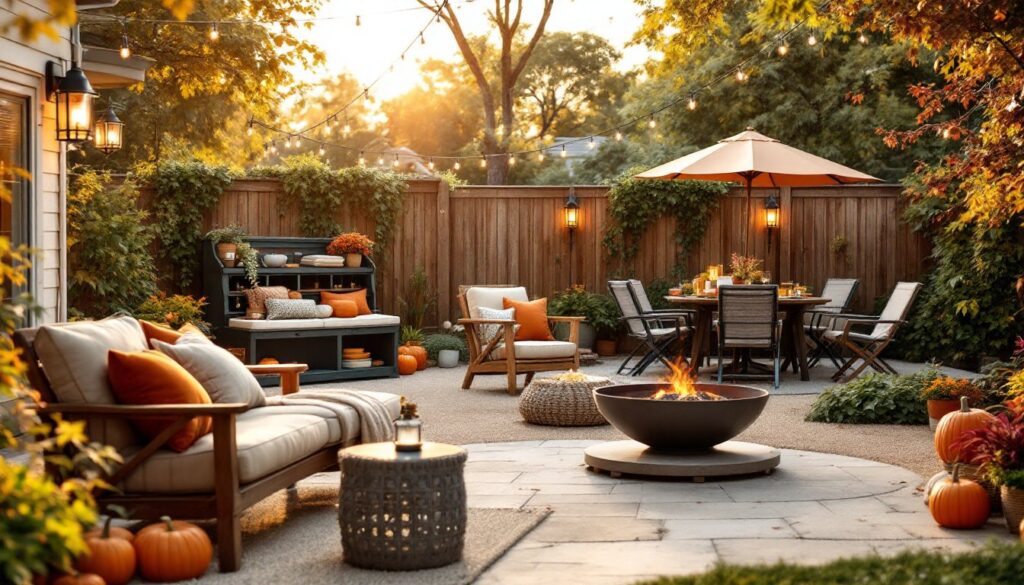
Fall is the golden window for backyard projects. While summer’s scorching temperatures fade and spring allergies haven’t kicked in yet, homeowners get a rare sweet spot to enjoy outdoor work without breaking into a sweat after five minutes. The cooler weather means you’re not fighting against heat exhaustion, materials cure properly (wood stain, paint, and concrete all perform better in moderate temperatures), and you can actually spend extended time outside planning and building. Plus, completing fall backyard ideas before winter arrives means you’ll have a fully functional space to enjoy those crisp September and October evenings. Whether you’re aiming to create a cozy retreat or prep for holiday gatherings, fall is when your backyard transforms from a summer utility into something intentional and inviting.
Table of Contents
ToggleKey Takeaways
- Fall backyard ideas take advantage of ideal weather conditions where materials cure properly, heat exhaustion isn’t a concern, and you can spend extended time planning and building outdoor projects.
- Create a cozy outdoor living space by defining zones with hardscaping, investing in weather-resistant furniture, adding comfort layers like cushions and blankets, and reducing visual clutter with strategic storage solutions.
- Incorporate autumn decor using natural materials like pumpkins and branches alongside low-maintenance fabricated options like outdoor throw pillows and battery-operated lanterns that work seasonally.
- Plan low-maintenance fall landscaping by installing perennials and native plants during fall, applying 2-3 inches of mulch, and overseeding grass when soil temperature reaches 60-65°F.
- Design entertaining zones with distinct areas for dining, conversation, and activities like fire pits, then enhance them with string lights and solar pathway lights to extend usability after sunset.
- Prepare your backyard for winter by draining hoses, sealing cracks in hardscaping, trimming dead branches, and stocking seasoned firewood to ensure safety and prevent costly spring repairs.
Create A Cozy Outdoor Living Space
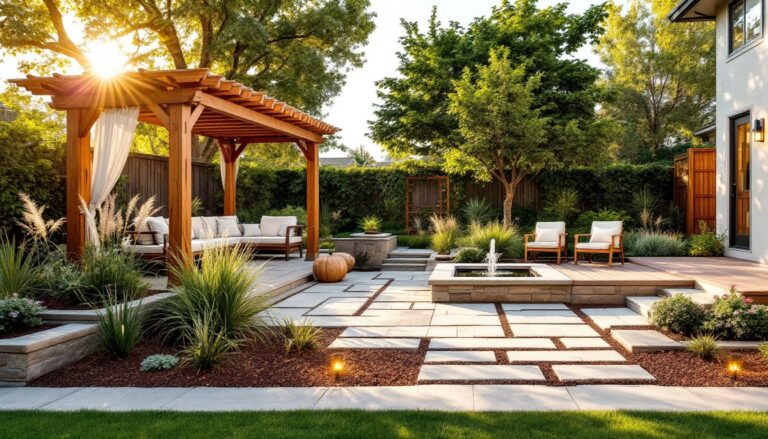
A backyard that begs you to linger does more than look nice, it changes how you use your home. Start by defining zones with hardscaping or layout. A small patio doesn’t need fancy stonework: crushed gravel, permeable pavers, or even repurposed deck boards create a visual anchor where furniture can nestle together.
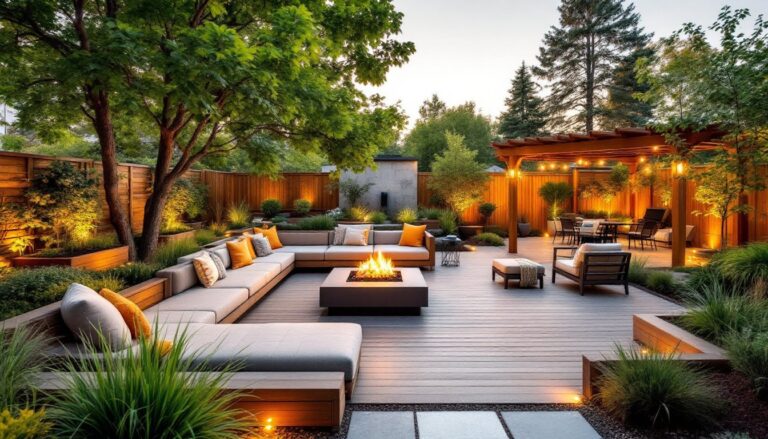
Seating is where comfort lives. Invest in weather-resistant outdoor furniture that can handle fall chill without rotting. Wood, powder-coated steel, or high-density polyethylene (HDPE) wicker all work, but confirm the manufacturer specs match your climate. Add layers: cushions, blankets, and throw pillows signal “linger here,” and they’re replaceable if weather damages them.
The Suncast Backyard Oasis Storage & Entertaining Station solves a persistent problem: outdoor clutter. A dedicated storage bench keeps cushions, gardening tools, and entertaining supplies off the ground and organized. Look for models with shelf space for drinks and snacks during gatherings. Alternatively, a simple wooden storage box built from pressure-treated 2×6 lumber gives you both seating and concealment. Dimensions of 4 feet long by 2 feet deep work for most patios without dominating the space.
Consider sight lines too. A small backyard feels roomier when you reduce visual clutter. Tuck tools behind screens, house items in weatherproof storage, and arrange furniture to face inward, creating conversation. This isn’t Pinterest decoration, it’s practical arrangement that makes the space feel intentional and usable.
Add Autumn Decor Elements
Autumn decor doesn’t require spending cash at garden centers every season. Natural materials, fallen leaves, branches, pumpkins, hay bales, cost little and weather gracefully. Pile pumpkins of varying sizes (white, orange, and green varieties add visual depth) on steps or corners. They’re temporary, seasonal, and add instant fall character without feeling overdone.
Fabricated decor lasts longer. Outdoor throw pillows in rust, deep orange, and cream tones tie into seasonal color palettes without the maintenance headache. Swap them back to neutral or bright colors in spring, you’ve got the infrastructure in place. Lanterns with battery-operated candles provide safer ambient light than real flames and eliminate wind-blown concerns. LED options now mimic candlelight convincingly and last months on a single battery set.
Vines and living decor work too. Clematis, Boston ivy, or climbing hydrangea planted near a fence or arbor add structure to bare walls while softening hard edges. They’re permanent improvements that require yearly pruning, not seasonal swaps. If you’re renting or want reversible changes, trailing potted plants, like ivy or sweet potato vine, hang from pergolas or pergola posts and create vertical interest without fasteners.
A straightforward DIY option: paint exterior furniture or weathered wood accents. Use exterior-grade paint rated for your climate zone (UV resistance matters in sunny areas). Two coats with 24 hours dry time between is standard. Dark forest green, charcoal, or deep burgundy feel autumn-appropriate and hide dirt better than pastels.
Plan Low-Maintenance Fall Landscaping
Landscaping in fall means planning for spring bloom rather than planting annuals that’ll die in frost. This is prime time to install perennials, shrubs, and groundcover that’ll establish roots over winter and emerge strong in spring. Choose native plants for your region, they’re adapted to local soil and moisture patterns, require less fertilizer, and support local pollinators.
Mulch is the unsung foundation of low-maintenance yards. A 2-3 inch layer of wood chips or shredded bark over cleared beds suppresses weeds, moderates soil temperature as winter hits, and gradually breaks down into organic matter that improves drainage and structure. Pull back mulch 6 inches from tree trunks to prevent rot and pest issues. Plan for roughly 1 cubic yard of mulch per 100 square feet of bed area.
Fall cleanup isn’t just cosmetic, it prevents problems. Remove dead annuals, deadhead spent perennials, and rake leaves from planting beds (they harbor pests and fungal spores). But, leave some leaves in tucked corners for beneficial insects and pollinators. A small leaf pile isn’t an eyesore: it’s habitat.
For grass, overseed thin patches in early fall when soil temperature drops to 60–65°F but air is still warm enough for germination. Rake the area, loosen soil with a hand rake or dethatcher, scatter seed, and water consistently for two weeks. Don’t expect instant results: establishment takes 3-4 weeks. If you’re replacing sod, fall installation often costs less because contractors are less busy, and cooling soil reduces transplant shock.
Design Entertaining Zones For Gatherings
Entertaining outdoors in fall means you need functional zones, not just a scattered seating area. Separate your space into distinct areas: dining, conversation, and activity zones. A dining zone needs a sturdy table and clear circulation space so guests can move food and themselves without tight squeezes. Allow 36-48 inches of clearance around the table edges for comfortable service.
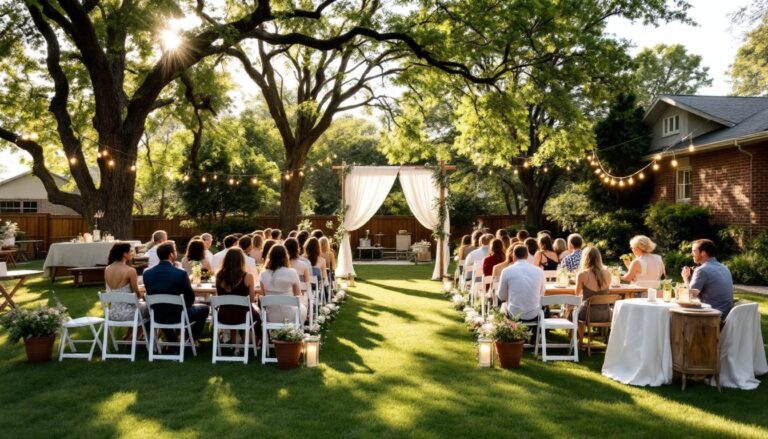
Conversation zones group seating facing inward. Arrange chairs in an oval or circular pattern, ideally with a small side table for drinks and snacks. This layout naturally encourages talking and makes it easy for someone to join without feeling like they’re interrupting. A pergola overhead or hanging fabric stretched on cables creates a sense of enclosure without blocking sight lines.
Activity zones, a fire pit, games table, or lawn games setup, give guests options and break up the layout. A fire pit (whether a permanent masonry structure or a portable metal ring) becomes a natural gathering spot on cool evenings. Keep it at least 10 feet from structures and overhanging branches for safety. Backyard Entertaining Essentials: Transform your space by adding simple elements like a beverage station (a table with ice, glasses, and drinks) so guests self-serve and you’re not stuck as bartender.
Storage matters more in entertaining zones. Hidden cubbies or the 195 Gallon Backyard Oasis® Storage and Entertaining Station with Shelf keep games, coolers, and extra seating out of sight until needed. This keeps the space feeling open, not cluttered, even when fully set up for a crowd.
Incorporate Lighting For Ambiance
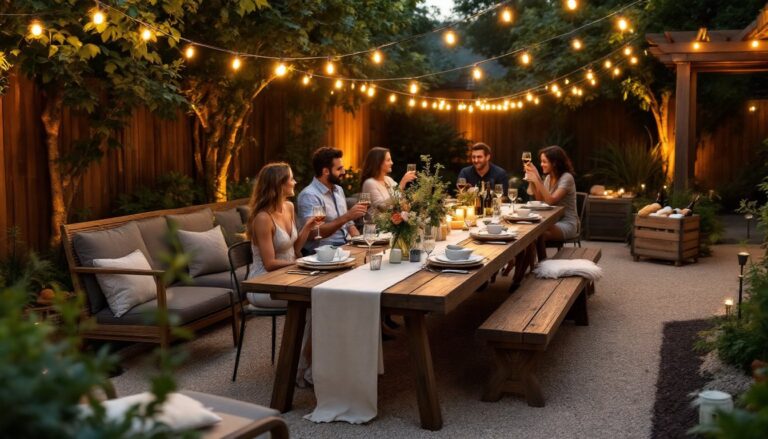
Darkness arrives early in fall, so lighting isn’t optional, it’s essential. String lights draped overhead create instant atmosphere and allow guests to linger after sunset. Cafe-style string lights (also called bistro lights) strung in a zig-zag or catenary (sagging curve) pattern look intentional without fussy installation. Plan roughly 12-15 feet between anchor points and allow 6-8 inches of sag for a graceful curve. Separate circuits for different light runs let you dim or shut off sections independently.
Solar bollard lights along pathways serve dual purposes: they’re practical (guests see where they’re walking) and atmospheric (soft pools of light are more inviting than bright floods). Install them 3-4 feet apart and check that they have enough sun exposure during the day to charge. Some cheaper models underperform in cloudy seasons: read reviews specifically for fall/winter performance.
Rechargeable LED lanterns placed on tables or shelves offer focused, flexible light. Unlike permanent fixtures, they’re movable, so you can adjust ambiance without rewiring. Battery life varies: confirm specs before purchase, and budget for spare batteries.
For functional work spaces (grilling area, food prep table), task lighting matters. A simple under-soffit fixture with a motion sensor keeps hands-free functionality and prevents wiring headaches. It doesn’t need to be architectural: industrial warehouse fixtures work fine in a utilitarian space.
Prepare Your Backyard For Winter
Fall projects should set you up for winter survival, not add problems come January. If you’re installing raised garden beds or planters, do it now while the ground isn’t frozen and you can compact and amend soil properly. Wood-framed beds from untreated cedar or composite materials last longest: avoid railroad ties, which contain toxic preservatives.
Drain and store hoses. Leaving water in lines freezes, cracks the hose, and can damage connection points on your home. Coil hoses loosely (tight coils kink permanently) and store them in an insulated shed or garage. Blow out irrigation lines with compressed air if you’ve installed in-ground drip systems.
Hardscape maintenance prevents costly repairs. Pressure-wash pavers or concrete, inspect for cracks that’ll worsen with freeze-thaw cycles, and plan repairs for early spring if needed. If cracks are minor (under ¼ inch wide), a concrete sealant applied in fall prevents water infiltration. For larger damage, wait for spring when contractors aren’t swamped.
Fall is also the time to trim back dead wood from trees and shrubs. Remove branches touching your roof or power lines to prevent winter storm damage. Cut at a 45-degree angle just above a bud or branch collar (the swollen area where a branch meets the trunk). This encourages proper healing and prevents disease entry.
Finally, stock firewood early if you use a fire pit. Freshly cut wood contains too much moisture: it smolders and creates creosote buildup in chimneys. Look for wood stacked with air gaps, ideally seasoned for 6-12 months. Stack your supply in a dry location, elevated slightly off the ground to prevent rot from moisture contact.
Conclusion
Fall backyard transformation doesn’t demand a big budget or contractor expertise. Focus on the fundamentals: comfortable seating, clear zones for different activities, reliable lighting, and thoughtful storage. These elements, paired with seasonal decor and landscape prep, turn your backyard from an afterthought into a space that earns real use. Start with one or two projects this weekend. You’ll feel the shift immediately, and the momentum builds from there.