
A full concrete backyard doesn’t have to look like a parking lot. Today’s concrete options range from polished finishes that rival high-end materials to stamped patterns mimicking stone or brick, all at a fraction of the cost. Whether you’re looking to create an outdoor entertaining space, expand your usable square footage, or build a low-maintenance yard that lasts decades, concrete delivers durability with genuine style. We’ll walk you through modern designs, practical furniture arrangements, and smart budget strategies to help you transform your outdoor space into something you’ll actually want to spend time in.
Table of Contents
ToggleKey Takeaways
- A full concrete backyard lasts 25+ years with minimal maintenance—just occasional pressure washing and resealing every 2–3 years—making it one of the most durable and economical hardscape solutions.
- Modern concrete finishes like polished, stamped, and stained options eliminate the plain parking-lot look, offering styles that rival natural stone and brick at a fraction of the cost.
- Thoughtful furniture arrangement and zone definition transform a bare concrete slab into a functional outdoor entertaining space with designated areas for dining, lounging, and gatherings.
- Concrete staining and epoxy sealing are budget-friendly upgrades that cost $1–3 per square foot (DIY) and add character without requiring a full professional redesign.
- Combining a basic professionally poured concrete base ($6–12 per square foot) with creative finishes, decor, and second-hand furniture lets you build an attractive backyard within a modest budget.
Why Choose a Full Concrete Backyard Design
Concrete is the backbone of millions of American backyards, and for good reason. It won’t rot, splinter, or warp like wood decking. Unlike gravel or mulch, it doesn’t shift, require annual topping off, or track into your house. A properly sealed concrete slab lasts 25+ years with minimal maintenance, just occasional pressure washing and resealing every 2–3 years.
From a labor and cost standpoint, a full concrete backyard is one of the most economical hardscape solutions. Concrete covers ground efficiently, can be poured to exact dimensions, and handles heavy foot traffic, furniture, and equipment without degradation. It’s also forgiving for DIYers. You can add character through finishes rather than structural complexity. The material works in virtually any climate, handles freeze-thaw cycles better than asphalt, and requires no special tools for basic maintenance. If you’re planning to add features like a fire pit, outdoor kitchen, or built-in seating later, a concrete foundation provides a stable, level base to build on.
Modern Concrete Patio Styles and Finishes
Polished and Decorative Concrete Options
Polished concrete has moved far beyond the warehouse floor. Modern polishing uses specialized grinding tools to expose aggregate (stones) in the concrete, creating a smooth, often glossy surface that can rival polished stone or marble. The deeper you grind, the more aggregate shows and the more visual interest appears. Polished concrete resists staining, requires less sealing, and looks sleek in contemporary settings.
Decorative options include concrete stains (acid or water-based) that penetrate the surface without forming a coating, creating depth and color variation. Unlike paint, stains won’t peel. You can also add dyes for bold solid colors or use multiple stains layered for artistic effects. Epoxy coatings offer another route: they’re harder, more chemical-resistant, and come in colors or translucent finishes that can showcase the concrete beneath. Epoxy works well in high-traffic zones but does require a fresh coat every 5–10 years.
Stamped Concrete Patterns and Designs
Stamped concrete mimics natural materials, slate, brick, flagstone, wood planks, by pressing molds into freshly poured concrete before it sets. The effect is remarkably convincing at a fraction of the cost and maintenance of real stone or brick. Stamping happens in the field, so patterns can be customized to your layout. Depth and detail depend on stamp quality and timing: professional stampers produce more realistic results than DIY attempts, especially on large areas.
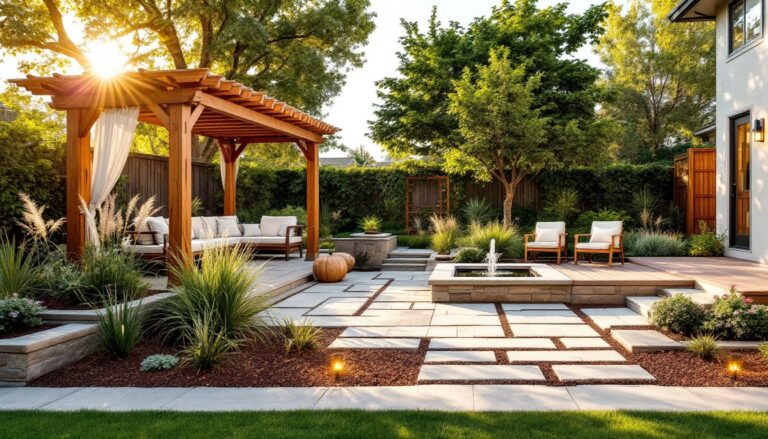
Stamped concrete is practical for full patios because it adds visual texture and hides minor surface imperfections. Color is typically applied as a dry shake (broadcast powder) or integral dye before stamping, so the color runs through the material rather than sitting as a surface layer. A protective sealer (usually urethane or acrylic) is essential after stamping to resist stains, UV fading, and weathering. Many homeowners choose a combination: stamped sections for visual interest paired with smooth or lightly textured zones for dining or lounge furniture areas.
Furniture and Decor Ideas for Concrete Backyards
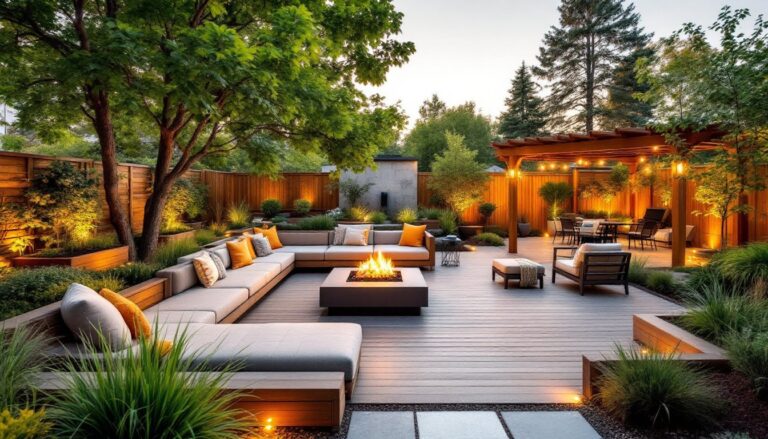
A bare concrete pad is a canvas, not a finished space. Furniture arrangement transforms it into livable areas. Define zones: designate an entertainment zone with a dining table (4–6 person table typically needs 10×12 feet of breathing room), a lounge area with outdoor sofas or chairs, and perhaps a fire pit or bar station. This psychological separation makes the space feel intentional and functional.
Weight and anchoring matter on concrete. Heavy outdoor furniture can be placed directly, but lightweight pieces benefit from non-slip pads underneath to prevent sliding on smooth finishes. If your concrete is sloped for drainage (which it should be), furniture may shift on steep grades, place feet in low spots or use leveling shims if needed. Outdoor rugs define zones further and add warmth underfoot: look for polypropylene or solution-dyed acrylic rugs rated for outdoor use and direct sun, as natural fibers rot in moisture.
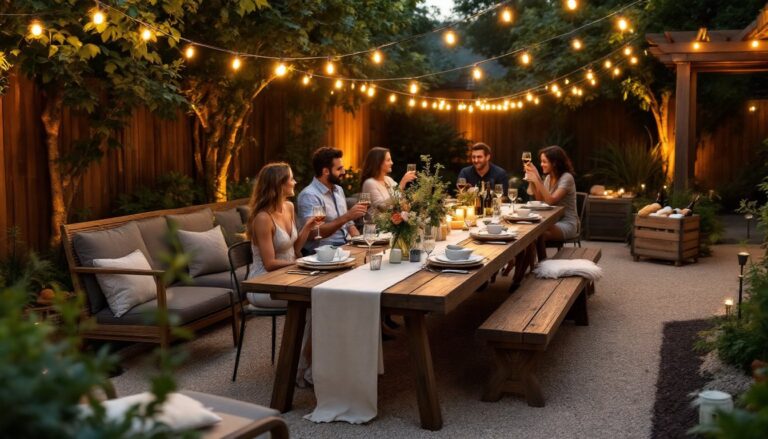
Accessories layer the personality: planters with seasonal flowers, string lights or low-voltage LED landscape lighting, outdoor cushions, side tables, and a pergola or shade structure. Backyard Entertaining Essentials guide the transition from raw hardscape to welcoming gathering spot. Concrete’s neutral palette pairs with nearly any decor style, modern and minimalist, rustic farmhouse, Mediterranean, or eclectic. The key is committing to a cohesive color story in your furniture and decor rather than scattering unrelated pieces.
Budget-Friendly Full Concrete Backyard Projects
If you’re planning a full concrete backyard but working within constraints, prioritize. A basic, professionally poured concrete slab with standard broom finish (texture for slip resistance) costs less than stamped or polished options. HomeAdvisor estimates concrete pours at $6–12 per square foot depending on region and site conditions: a 400-square-foot patio runs $2,400–$4,800 professionally installed. Expect DIY pours to require serious time investment and skill, concrete work has a high learning curve, and failures (cracks, improper slope, poor finishing) are expensive to fix.
A smarter budget approach: pour a solid base slab yourself or hire for installation, then add character through finishes and furnishings. Concrete staining is one of the cheapest upgrades, $1–3 per square foot if you do it yourself, and the results are durable. Epoxy or acrylic sealers run $0.50–$1.50 per square foot and refresh the look while protecting the material. For those not ready for a full pour, consider hardscaping elements like poured-in-place concrete in smaller sections (walkways, raised edging, or partial patio zones) to test the aesthetic and spread costs over time.
Decor is where savvy DIYers save most. Outdoor furniture deals emerge off-season (winter in cold climates, late summer in mild ones). Second-hand pieces from Facebook Marketplace or Craigslist, teak tables, cast-iron frames, metal chairs, can be cleaned and sealed for a fraction of retail. DIY pergolas (pressure-treated lumber, post supports, basic fasteners) cost $300–$800 for a 12×12-foot structure. Improving a backyard with entertaining in mind doesn’t demand a six-figure budget: it demands intention and phasing.
Conclusion
A full concrete backyard delivers the durability, low maintenance, and design flexibility that make outdoor living practical and enjoyable. Whether you opt for clean minimalism, stamped patterns, or polished elegance, concrete adapts to your style and hardscape vision. Start with a solid base, add finishes that reflect your taste, and furnish thoughtfully. The result is a year-round outdoor space that brings value, enjoyment, and genuine utility to your home.