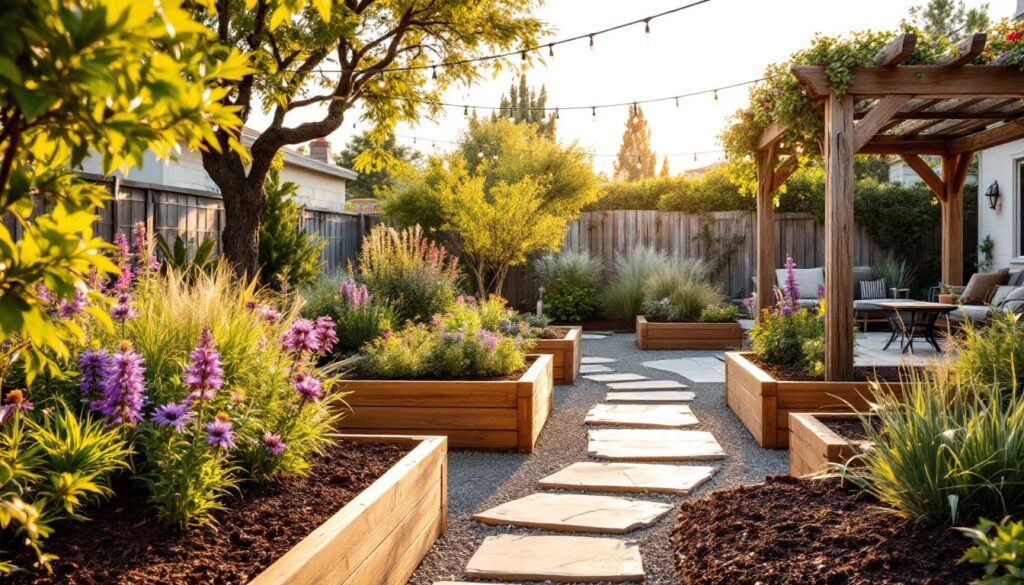
Creating an attractive, functional outdoor space doesn’t require a contractor’s budget or endless weekend labor. Low-maintenance backyard ideas can transform your yard into a place you actually want to spend time in, without the upkeep headaches. The key is planning strategically: swap thirsty grass for drought-tolerant plants, choose materials that age gracefully, and eliminate unnecessary features that demand constant attention. Whether you’re managing a quarter-acre or a postage-stamp patio, smart choices now mean more relaxation and fewer chores later. This guide covers practical, budget-friendly ways to create a backyard that looks intentional and requires minimal fussing.
Table of Contents
ToggleKey Takeaways
- Replace water-hungry grass with drought-tolerant plants and native groundcover to slash watering, mowing, and fertilizer costs while creating a low-maintenance backyard that thrives in your zone.
- Mulch beds topped with cardboard barriers suppress 80% of weeds, retain soil moisture, and cost just $100–300 per 200 square feet—saving both money and endless weeding hours.
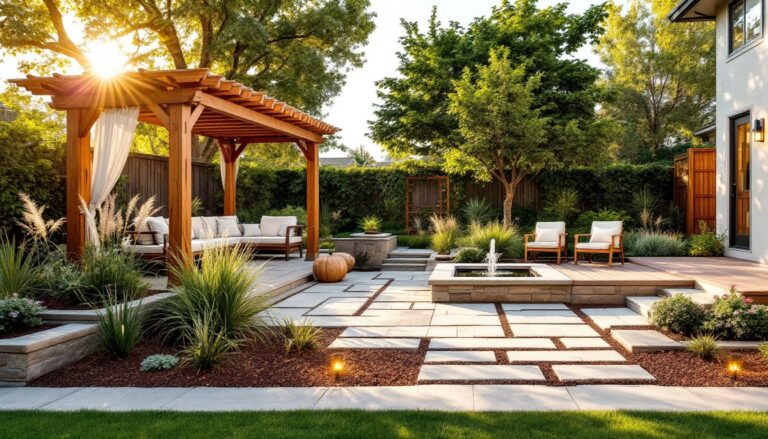
- Budget-friendly pathways using gravel, stepping stones, or concrete pavers ($0.25–3 per square foot) define space, protect plants, and create visual flow without contractor costs.
- Raised garden beds built from untreated cedar or reclaimed wood deliver better drainage and easier harvests for $30–50 per bed, requiring only seasonal maintenance and regular watering.
- Layered outdoor lighting with solar pathway lights and LED string lights (under $100 total) transforms your yard for entertaining and safety without expensive wiring or electrical work.
- Plan your low-maintenance backyard project gradually, tackling one section per season to spread costs, prevent overwhelm, and learn what thrives in your specific climate and soil.
Choose Drought-Tolerant Plants and Native Groundcover
Grass is thirsty, hungry for fertilizer, and demands weekly mowing, especially in warmer climates. Swap it for drought-tolerant plants and native groundcover that thrive in your zone with little water or feeding.
Native plants already grow wild in your region, which means they’re adapted to local rainfall, soil, and temperatures. Sedums, ornamental grasses, coneflowers, salvia, and native shrubs require far less water once established. Buy smaller specimens rather than mature plants: they cost less and actually establish faster. Give new plantings about 6–8 weeks of regular watering to get roots down, then step back. Many landscapers suggest buying smaller plants so your budget stretches further, you can achieve better overall coverage for the same cost.
For groundcover between plants, creeping thyme, native sedges, or even mulch-based areas beat traditional sod. If lawn is non-negotiable, use a no-mow blend or reduce the area you maintain. Install plants in fall or early spring when soil moisture is highest and watering needs are lower. Cluster plants by water needs (hydrozoning) so you’re not wasting water on drought-tolerant neighbors. Adding Backyard Entertaining Essentials to your design naturally pairs with native plants that attract pollinators and create visual interest without fussing.
Install Mulch and Rock Beds Instead of Sod
Mulch is a DIYer’s best friend. A 2–3 inch layer of shredded bark or wood chips suppresses weeds (reducing pull time by 80%), retains soil moisture, and costs $20–50 per bed depending on coverage. Rocks, pea gravel, or decomposed granite work too, especially in arid zones. Rocks never need replacing: mulch breaks down over 2–3 years and needs topping up, but that’s a fraction of the labor or cost of maintaining sod.
Before laying mulch, lay down cardboard or thick landscape fabric as a barrier. Overlap edges by 6 inches to block weeds from sneaking around. Dampen cardboard so it stays put and breaks down faster. Skip the fancy weed cloth, it tears, clogs, and needs replacement. Cardboard is free (ask grocery stores for flat boxes) and actually accelerates soil-building as it decomposes.
Rake the area level, remove rocks and roots, and let soil settle for a few days before applying mulch. Spread evenly, don’t pile it against plant stems, which rots them. Budget $100–300 to mulch a 200-square-foot bed, including cardboard. This single move cuts watering, weeding, and fertilizing dramatically. Adding pathways through mulched beds also defines your space and prevents compaction.
Create Defined Pathways With Affordable Materials
Hard-landscaping doesn’t have to mean expensive pavers or professionally installed flagstone. Defined pathways break up space visually, protect plants from foot traffic, and guide movement, all on a slim budget.
Gravel or wood chips work as temporary, rustic paths and cost $0.50–2 per square foot. For permanence, consider recycled asphalt millings ($0.25–0.75 per sq. ft.), pea gravel in a steel or plastic edging, or stepping stones spaced 12–18 inches apart through planted areas. Concrete pavers (4×8 or 6×6) run $1–3 each: you’ll need 4–5 per 10 linear feet, depending on spacing. Lay them on a simple sand base, no mortar required, and they shift naturally with frost, which saves headaches in freeze-thaw climates.
Edging defines beds and prevents mulch creep onto hardscape. PVC or galvanized steel landscape edging costs $0.50–1.50 per linear foot and snaps together. Alternatively, salvaged bricks, wood planks, or corten steel offer character on a budget. Install edging 1–2 inches below the surrounding lawn so your mower just clears it.
Paths also reduce the footprint you need to maintain. Instead of a large, weedy mulch area, concentrate plantings along a path and let the rest be low-growing cover or rock. This concentrates your effort and stretches your budget. Smart pathways paired with Small Backyard Entertaining Ideas create natural traffic flow and make even tiny yards feel curated.
Build Simple Raised Garden Beds and Planters
Raised beds are workhorses: better drainage, no digging into clay or compacted soil, and easier on the back. A basic 4×8×12-inch bed costs $30–50 in untreated cedar or composite lumber and yields significant produce or flowers without heavy preparation.
For budget builds, use untreated 2×12 lumber (nominal: actual size is 1.5″ × 11.25″), corner brackets, and exterior screws. Avoid pressure-treated wood for food gardens, modern pressure-treated is safer than older versions but still unnecessary when untreated works fine. Cedar and redwood last 10–15 years: pine lasts 5–7 before rot sets in. For truly tight budgets, reclaimed wood from shipping pallets or demolition sites works if it’s clean and structurally sound, just inspect for chemicals or nails.
Fill beds with a mix: 40% topsoil, 40% compost, 20% perlite or coarse sand improves drainage and reduces weight. Bulk soil runs $20–40 per yard delivered: you’ll need 0.3–0.4 yards per 4×8 bed. Scoop free compost from local municipalities or split the cost with neighbors to buy in bulk.
Place beds in full sun (6+ hours) and near a hose. Group several beds for visual impact and efficient watering. Even small beds (2×4) tucked in corners of a sunny patio work for herbs and greens. Once established, raised beds need only seasonal soil amendment and regular watering, making them low-maintenance produce sources. Backyard Designs for Entertaining often incorporate edible beds as both function and decor.
Set Up Basic Outdoor Lighting on a Shoestring Budget
Outdoor lighting transforms a backyard for entertaining and safety without a hefty investment. Solar pathway lights cost $0.50–2 each and need zero wiring, stake them along paths or bed edges. They’ll glow dimly 6–8 hours after dark and don’t require a permit or licensed electrician. Quality matters: cheap units fade in a season. Look for solar lights with replaceable batteries, not sealed models that fail when the battery dies.
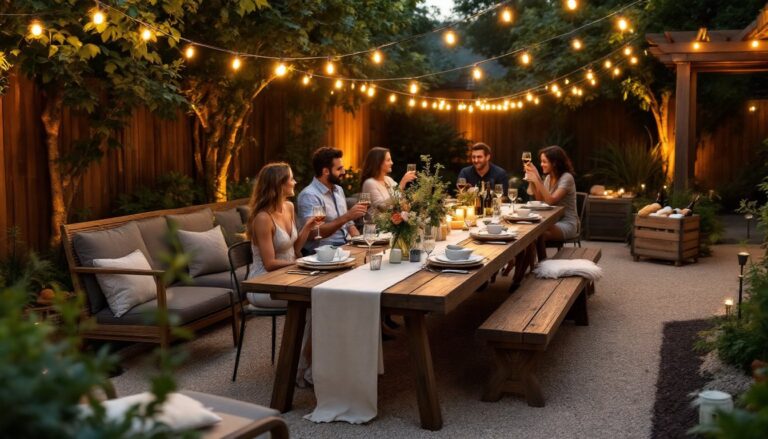
For string lighting, solar LED Edison-style strings run $20–40 for 20–30 feet and create ambiance instantly. Drape them overhead, weaving between plants or a simple post structure. They don’t require runs to an outlet and handle weather surprisingly well. Battery-powered options (4–6 AA batteries per 20 feet) work if solar charging isn’t reliable in your climate.
If you have outdoor outlets (or are comfortable installing them, check local electrical code and consider hiring a licensed electrician for safety), plug-in LED strings cost less per foot and run all night without battery depletion. A timer keeps them from running 24/7, extending lifespan. String lights over a seating area, along a fence line, or framing an entrance point all cost under $100 combined and deliver massive visual impact.
Motion-sensor solar lights near entrances improve safety for $10–20 each. Avoid uplighting trees unless you’re going full design mode: it’s usually overkill for a budget project. Layered lighting, path lights for safety, ambient strings for entertaining, creates a finished space without excessive spending. Strategic lighting also makes your yard feel intentionally designed rather than an afterthought.
Maintain Your Space With Smart, Minimal-Effort Solutions
A low-maintenance yard stays manageable only with smart upkeep habits. Set expectations: native plants need water the first season but not forever. Mulch-based beds need a quick weed check monthly and annual top-ups. Raised beds need seasonal feeding. These are tiny, predictable tasks, not the endless cycle of traditional lawn care.
Water wisely. Drip irrigation or soaker hoses placed at soil level deliver water directly to roots, cutting waste and watering time by half compared to sprinklers. A simple timer on an outdoor outlet ($15–30) runs your system early morning, when evaporation is lowest. Water deeply but less frequently: this trains roots to grow deeper and makes plants more resilient. Most mature landscape plants need only 1–2 inches weekly during dry spells, less in humid climates.
Mulch often. One spring or fall refresh (adding 1–2 inches) prevents weeds and saves water. Use a light hand, don’t overdo it, and pull any weeds while mulch is fresh. Cardboard under mulch means fewer weeds emerge, so less pulling overall. Weekly weeding of a few escapees beats monthly battles against an overgrown bed. Consider this routine maintenance as your “payment” for the money saved on water and replacement plants.
Never fertilize without reason. Native plants and shrubs don’t need annual feeding. If growth slows, a spring layer of compost does the job. Raised beds and container plants need feeding every 4–6 weeks during growing season: use fish emulsion or balanced granular fertilizer per package directions. Overfeeding burns roots and accelerates growth, creating more work.
Trim thoughtfully. Most shrubs and grasses need pruning once or twice yearly, not shearing into unnatural shapes. Prune spring-blooming plants after flowering: summer bloomers in early spring. Leave ornamental grasses standing through winter for shelter and visual interest: cut them back in early spring before new growth. This “low-labor” approach respects plant form and needs less fussing than formal hedges.
Recent budget home renovation stories and DIY furniture projects show how thoughtful planning prevents expensive do-overs. The same applies to yards, spending an extra hour on prep, plant selection, and edging now saves dozens of hours fighting weeds and watering later. Your future self will thank you.
Start Small and Expand Seasonally
The temptation is to overhaul the entire yard in one weekend. Don’t. Tackle one section at a time: maybe the front bed this spring, a pathway next summer, and raised beds the following year. This spreads cost, prevents overwhelm, and lets you learn what works in your specific microclimate and soil.
Start with the area you see most, your main seating spot or entry path. Small wins build momentum and let you refine your vision without sinking the whole budget into a failed experiment. Seasonal projects also keep you connected to your space. You’ll notice what plants thrive, where water pools, and where shade has crept in. That knowledge shapes smarter choices down the road.
A modest, well-maintained yard beats an ambitious, neglected one every time. Build gradually, learn as you go, and your backyard will become a true reflection of how you actually spend your time, not how you thought you should. With drought-tolerant plants, mulch beds, simple pathways, and strategic lighting, a budget-friendly, low-maintenance space is entirely within reach. The freedom from weekend yard work? That’s the real payoff.