
Setting up a backyard gym doesn’t require a fortune or a sprawling estate. Homeowners across the country are trading expensive membership fees for the convenience of working out steps away from their kitchen, no commute, no crowds, just you and your fitness goals. A backyard gym outdoor gym setup lets you exercise on your schedule while keeping your investment manageable. Whether you’re a beginner building your first strength routine or someone looking to supplement existing training, a thoughtfully planned outdoor workout space delivers flexibility that traditional gyms can’t match. This guide walks you through equipment essentials, layout strategies, and creative DIY alternatives to help you create a functional, budget-friendly backyard training zone.
Table of Contents
ToggleKey Takeaways
- A backyard gym eliminates commute friction and typically pays for itself in under two years compared to gym membership fees, making it a financially smart long-term investment.
- Essential equipment for beginners includes versatile items like dumbbells (5–50 lbs), a barbell with plates, resistance bands, and a pull-up bar—prioritize quality over quantity to avoid overwhelm.
- A backyard gym outdoor gym setup requires minimal space; even 50–100 square feet with level ground, good drainage, and proper storage creates a functional training zone.
- DIY alternatives like sand-filled buckets, bodyweight circuits, and borrowed or repurposed equipment let you start a backyard gym on a tight budget without sacrificing results.
- Strategic layout, weather protection via tarps or pavilions, and dedicated storage keep your outdoor gym organized, safe, and motivating for consistent workouts.
Why a Backyard Gym Makes Sense for Homeowners
A backyard gym eliminates friction from your fitness routine. No time hunting for parking, no monthly membership bills, and no waiting for someone to finish your preferred equipment. Your workspace is always ready, rain or shine, and fits around your schedule, whether you train at 5 a.m. or during a lunch break.
Beyond convenience, a backyard gym adds tangible property appeal and functionality to your home. Buyers and renters increasingly value wellness amenities, and an organized outdoor fitness space signals that the property supports active living. You’re also building a hub for total wellness: morning stretches, afternoon sprints, or evening resistance training all happen in an environment you control.
Financially, the math favors long-term savings. Most quality home gyms, even well-equipped ones, cost less than two years of premium gym memberships. Once your initial investment is recouped, maintenance stays minimal: basic equipment lasts decades with light care, and you’ll never face surprise price hikes or contract disputes.
Essential Equipment for a Beginner Backyard Gym
Starting lean prevents overwhelm and lets you add gear as your training evolves. Focus on versatile, durable equipment that handles multiple exercises and withstands outdoor elements.
Dumbbells, Barbells, and Weight Plates
Dumbbells form the backbone of most home workouts. Begin with a set ranging from 5 lbs to 50 lbs, enough variety for progressive overload without excessive bulk. Hex dumbbells resist rolling and sit flat in storage, making them practical for backyards. Cast-iron plates outlast rubber-coated versions in moisture-heavy climates, though rubber bells absorb impact and protect flooring.
If space permits, a basic barbell with collars and 100–150 lbs of plates unlocks compound lifts: squats, deadlifts, bench presses. A standard Olympic bar weighs 45 lbs: bumper plates designed for dropping protect both your deck and joints during explosive movements.
Cardio and Functional Training Gear
Cardio doesn’t demand machines. A jump rope costs under $20 and delivers intense conditioning in 10 minutes. Resistance bands, loop styles and therapy bands, offer low-impact strength work and are easy to store: they travel well if you’re traveling for work.
A pull-up bar mounted to a sturdy pergola or deck beam upgrades upper-body training. Adjustable models accommodate both overhead work and low-bar movements. For ground-based work, a yoga mat or rubber flooring protects joints and improves grip during planks or kettlebell swings. Look for ¾-inch rubber tiles or mats rated for outdoor use: they resist UV degradation better than indoor versions.
Space Planning and Layout for Your Outdoor Workout Area
Location and layout determine whether your gym feels functional or cluttered. Start by assessing your available square footage, even 50 square feet accommodates dumbbells, a bench, and floor work. Aim for 100–150 square feet if you plan barbells, cardio equipment, or plyometric drills that demand movement.
Choose a spot with level ground and good drainage. Sloped yards invite water pooling under equipment: a flat area, or one you can level with gravel or pavers, prevents rust and creates safe footing for lifting. Morning shade helps, especially in hot climates: afternoon sun won’t damage most equipment but reduces comfort during summer sessions.
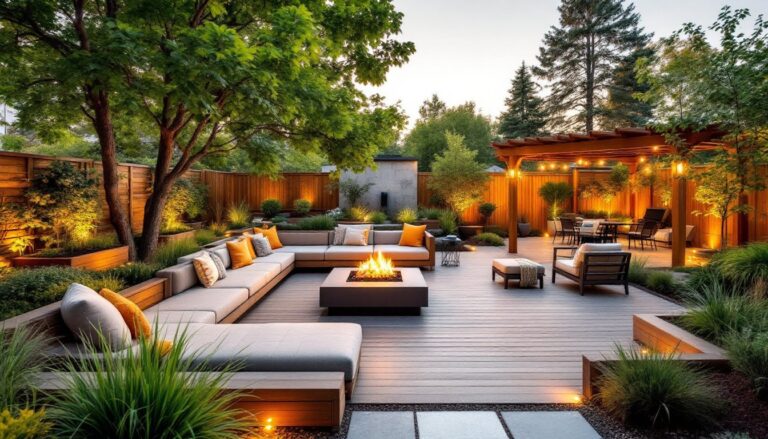
Orient your setup to face a view or open sightline if possible. Watching your form in a window or mirror keeps your head on straight, literally. A small backyard entertaining area concept applies here too, consider separating your training zone from seating or planting with subtle borders (a line of pavers, low landscaping, or fence). This psychological separation cues your brain that the space is for work.
Storage matters enormously. A Suncast Backyard Oasis Storage unit or weather-resistant deck box keeps lighter dumbbells, bands, and accessories dry and organized. Without storage, gear scattered across grass invites rust, lost items, and poor motivation. Plan for a dedicated spot, even a small corner under a roof, to stash equipment.
Budget-Friendly DIY Gym Ideas and Alternatives
Starting cheap doesn’t mean sacrificing results. DIY creativity stretches your budget and often builds better equipment awareness.
Sand-filled buckets or water jugs replicate dumbbells for a fraction of the cost. Fill a 5-gallon bucket with sand to yield roughly 40–45 lbs: label the weight with paint marker. They’re awkward compared to true weights but excellent for farmer carries, goblet squats, and learning proper form before investing in premium iron.
A homemade suspended trainer, made from rope, carabiners, and PVC pipe anchored to a beam, delivers core and stability work identical to commercial versions. Watch Popular Mechanics workshop tutorials or your local tool-rental shop for beam-mounting guidance: many DIYers anchor a pull-up bar using the same principles.
Outdoor bodyweight circuits require zero equipment. Progressive calisthenics, pistol squats, decline push-ups, handstand holds against a wall, build serious strength and cost nothing. A sturdy stump or log stacked on end functions as a plyometric box for step-ups and jump training.
For flooring, scrap rubber mulch or stall mats from farm-supply retailers cost far less than commercial gym flooring: they drain well and cushion falls. Weatherproof plywood under heavy equipment prevents moisture damage and distributes load. Resources like Fix This Build That offer plans for building simple squat racks or training platforms if you’re comfortable with basic carpentry.
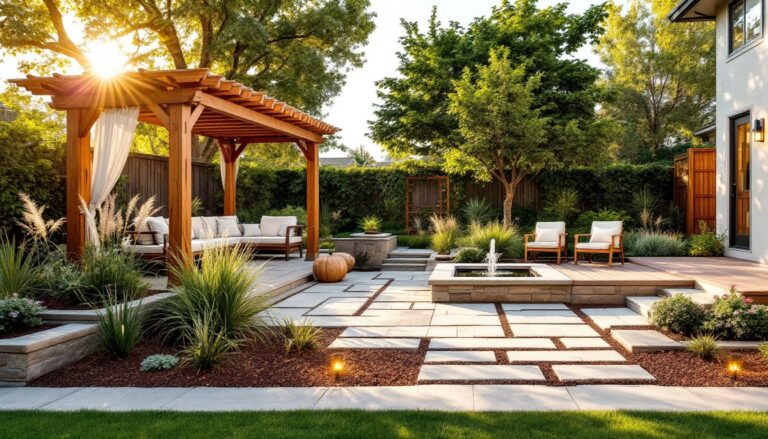
Use backyard designs for entertaining principles to blend your gym into your yard’s overall layout so it doesn’t feel out of place. A pergola with climbing vines can frame your training area while providing summer shade.
Weather protection is essential. Even basic equipment lasts longer under cover. A simple tarp stretched between posts works short-term: a permanent pavilion or lean-to shields your investment and extends your training season.
Conclusion
Building a backyard gym is a realistic, rewarding project for any homeowner. Start small, dumbbells, a bench, and open space, then expand as your routine and budget evolve. Smart layout, solid storage, and practical DIY solutions keep costs manageable while building a space that genuinely gets used. Your consistency matters far more than equipment perfection: the best gym is the one you’ll actually visit.