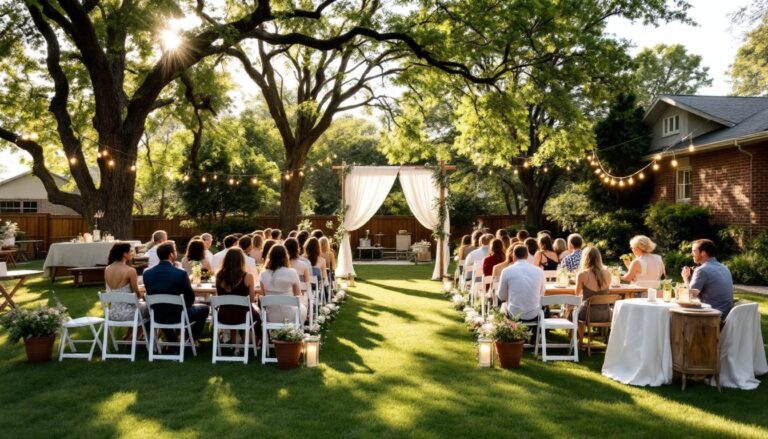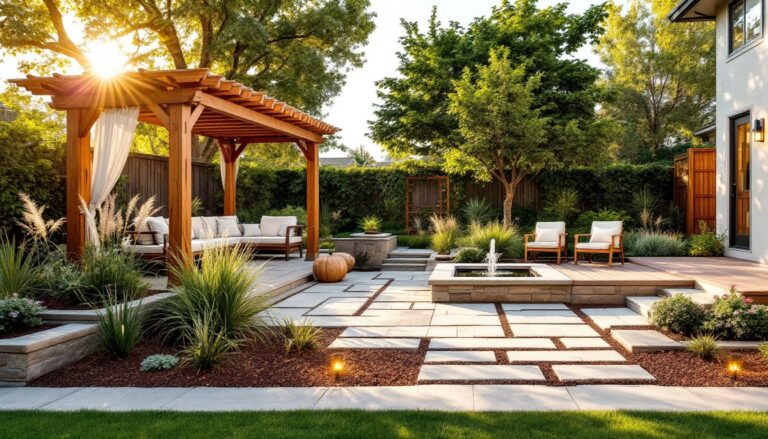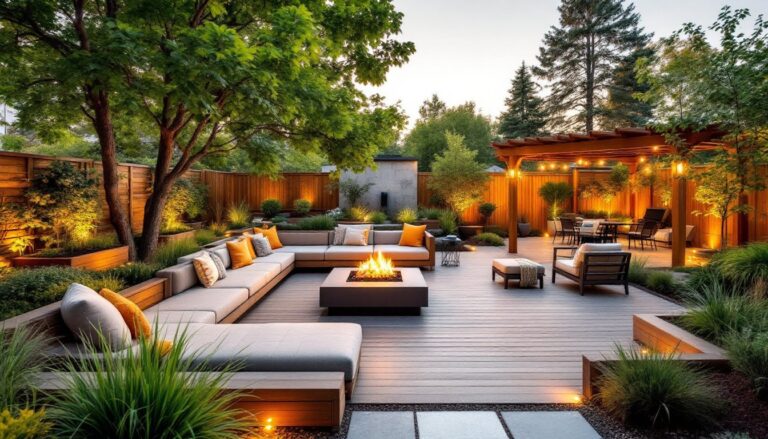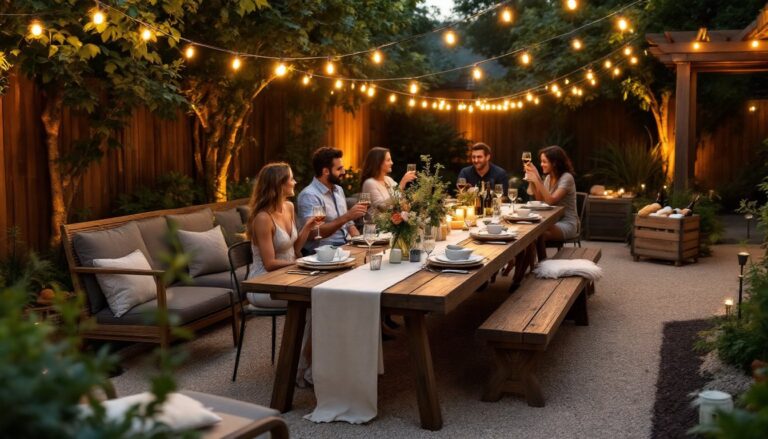

A backyard courtyard transforms unused outdoor space into a functional, beautiful retreat, whether you’re hosting gatherings or simply escaping the daily grind. Unlike sprawling landscapes that demand constant maintenance, a courtyard creates an intimate, defined space with clear boundaries and purposeful design. Homeowners are discovering that even modest backyards can become stunning outdoor rooms with the right layout, hardscaping, and plantings. The beauty of courtyard design lies in its flexibility: whether you’re drawn to Mediterranean warmth, minimalist calm, or tropical abundance, there’s a style that fits your home and lifestyle. This guide explores seven distinct courtyard designs, each with practical features and real-world applications to help you choose, and build, your ideal outdoor space.
Table of Contents
ToggleKey Takeaways
- Backyard courtyard ideas transform underused outdoor space into intimate, functional retreats with clear design boundaries and purposeful layouts suited to any style from Mediterranean to minimalist.
- Seven distinct courtyard designs—Mediterranean, minimalist, tropical, farmhouse, and Japanese zen—each offer practical features and material specifications to match your home’s aesthetic and lifestyle.
- Essential features like shade structures (pergolas costing $800–$2,500), proper drainage with 1% grade minimum slope, and multi-layered lighting extend usability and enjoyment year-round.
- Plant selection drives courtyard ambiance, with growth timelines ranging from 1–2 years for groundcovers to 3–5 years for trees; plan maturity spacing to avoid overcrowding.
- Privacy screening through living walls, slatted fences, or evergreen hedges (4–6 feet tall) and maintenance pathways are crucial for long-term functionality and neighbor relations.
Mediterranean-Inspired Courtyards
Mediterranean courtyards evoke sun-soaked European villages with warm terracotta, whitewashed walls, and lush greenery. The style balances hardscape and softscape in equal measure, think gravel or clay pavers underfoot, arched trellises, and stone fountains as focal points.
Start with materials: terracotta tiles (12×12 or 16×16 inches work well for courtyards) laid in running bond or herringbone patterns, or gravel in neutral tones (pea gravel or decomposed granite). Whitewashed plywood screens or stucco-finished walls create that classic enclosed feel. Add pergolas constructed from 4×4 posts and 2×6 beams overhead, these provide dappled shade and a framework for climbing vines like clematis or jasmine.
Planting is essential. Incorporate rosemary, lavender, and olive trees in large terracotta containers (18–24 inches diameter minimum) positioned at cardinal corners. Stone or ceramic fountains recirculate water and add soothing ambient sound, crucial for masking street noise in suburban settings. Feature a simple wooden table and wrought-iron chairs for dining. A wood-fired oven or fire table becomes both functional and atmospheric for cooler evenings.
Modern Minimalist Courtyards
Minimalist courtyards strip away ornament and focus on clean lines, negative space, and carefully selected materials. The aesthetic demands restraint, every element must earn its place.
Materials matter: uniform gray or charcoal concrete pavers (24×24 inches), composite decking, or polished concrete flooring create seamless surfaces. Raised planters built from Corten steel or composite materials introduce texture without clutter. A single focal element, a water wall, a modern steel sculpture, or a specimen tree in a minimalist planter, anchors the space. Walls should be neutral, often rendered concrete or fiber-cement panels, sometimes with a living wall of low-maintenance plants like ornamental grasses or sedums.
Furniture is sparse and geometric: a single modern bench, a frameless glass dining table, minimal seating. Low-level landscape lighting (recessed ground lights, string lights strung between posts) adds ambiance without visual noise. Color comes through restraint, perhaps two accent hues maximum. The goal is tranquility through simplicity: every sight line should feel intentional.
Tropical Paradise Courtyards
Tropical courtyards explode with lush canopy, bold foliage, and humidity-loving plants. They’re perfect if you live in warm climates or can replicate conditions indoors.
Hardscaping stays minimal: natural stone or large-format pavers laid loosely with sand, allowing moss to creep between joints for authenticity. Wood decking in tropical hardwoods (ipe or cumaru) weathers beautifully and resists rot better than standard pressure-treated lumber. Thatch-roof structures, pergolas wrapped in climbing vines, or lightweight sails create dappled overhead cover.
Plants drive the design. Layer tall specimen plants (tree ferns, palms like arecas or golden canes) in the background for privacy and canopy. Mid-story shrubs (bird of paradise, hibiscus, jasmine) fill the gap. Ground covers, mondo grass, ajuga, or decorative groundcovers, soften hardscape edges. Include a water feature: a tropical-style fountain, a small pond with fish, or a cascading water wall. Bright cushions, a hammock, and woven seating (rattan or wicker) complete the retreat feel. Add string lights strung between posts for evening ambiance.
Rustic Farmhouse Courtyards
Rustic farmhouse courtyards embrace reclaimed materials, vintage charm, and a lived-in aesthetic. They’re ideal if you appreciate weathered wood and a cozy, unpretentious vibe.
Materials reflect age and authenticity: reclaimed brick or gravel paths, weathered wood screens, and salvaged stone troughs or water features. Build seating areas from rough-hewn benches or picnic tables. Weathered post-and-rail fencing or ramshackle pergolas overhead add structure without formality. Paint walls in soft, earthy tones, barn red, sage, cream, or whitewash.
Planting is generous and mixed. Combine heirloom vegetables (raised beds with untreated pine 2×10 or 2×12 boards work well), cottage flowers (peonies, delphiniums, sunflowers), and herbs. A small potting bench becomes both functional and decorative. Vintage planters, enamelware, and reclaimed galvanized containers scattered throughout add visual interest. A fire pit surrounded by log stools or vintage metal chairs creates gathering space. String café lights and potted flowers everywhere, the charm lies in abundance and imperfection.
Japanese Zen Courtyards
Japanese zen courtyards emphasize balance, contemplation, and the harmonious interplay of water, stone, and greenery. They’re philosophically deeper than they appear.
Design follows principles of asymmetry and borrowed scenery. Gravel (fine white pea gravel or raked sand) becomes a canvas for meditation, raked in patterns mimicking water ripples. Large stones placed odd-numbered groups anchor visual composition. Wooden stepping stones (typically 18×18 inches, spaced 2 feet apart) create intentional paths. A wooden deck (built from untreated cedar 2×6 boards for authentic weathering) provides seating or viewing platform.
Plants are selective: Japanese maples, bamboo screening, low shrubs like azaleas or boxwoods, and moss (if moisture and shade permit). Stone lanterns and low water basins serve both aesthetic and spiritual roles. Evergreens, cypress, pine, or juniper, provide year-round structure. Water is essential: a small recirculating fountain, a basin, or a narrow channel adds sound and movement without clutter.
Water Features And Seating
Water is the heart of zen design. A simple recirculating fountain (12–18 inches tall) fits snugly in a corner. Alternatively, a tsukubai (traditional water basin) invites mindful hand-washing before entering the meditation space. Seating is understated, a low bench, a stone ledge, or simply sitting atop a flat stone. The courtyard rewards stillness and observation rather than active use.
Essential Features For Every Backyard Courtyard
Regardless of style, certain elements appear across successful courtyards. Shade structures, pergolas, retractable awnings, or shade sails, are non-negotiable in sunny climates. Built from 4×4 posts and 2×6 or 2×8 beams, a basic pergola costs $800–$2,500 for a 12×12-foot structure, depending on materials and finish. Ensure posts are set in concrete footings 30+ inches deep (check local frost lines: deeper in colder climates) to prevent frost heave.
Seating and gathering spaces anchor function. Whether it’s a dining table, built-in benches, or lounging areas, leave at least 4 feet of clear walkway. Hardscape surfaces, pavers, decking, or concrete, should slope slightly (1% grade minimum) for drainage. Porous materials like gravel or permeable pavers reduce runoff, important in jurisdictions with storm-water regulations.
Lighting is often overlooked but transforms usability. Uplighting on trees, string lights overhead, and low ground-level lights along pathways create layers and extend evening enjoyment. LED systems consume minimal power and run on 12-volt systems, eliminating hard-wired electrical work if you prefer low-voltage solutions.
Drainage and grading deserve attention. Courtyards enclosed by walls can trap water. Ensure positive drainage toward a central drain or swale. If adding a water feature, consult The Spruce for proper liner installation and pump sizing.
Plant maturity timing varies. Trees and large shrubs take 3–5 years to fill their space: perennials and groundcovers establish in 1–2 seasons. Plan accordingly, the courtyard will evolve. Most homeowners discover that small backyard entertaining ideas apply here too: restraint in the early years prevents overcrowding.
Privacy screening, living walls, slatted wood fences, or evergreen hedges, buffers against neighbors. A 4–6 foot tall hedge or fence is standard: confirm local setback requirements before building. Consider prevailing winds and sun exposure when positioning screens.
Finally, maintenance access matters. Plan pathways wide enough for mulch barrows, pruning tools, and seasonal plant swaps. A small potting bench or work surface tucked into a corner serves year-round.