
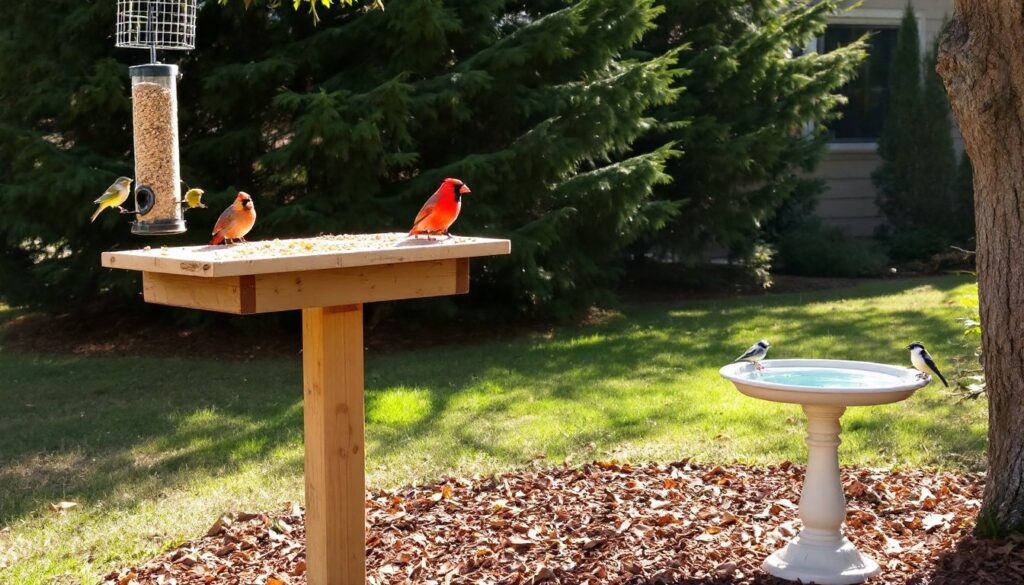
A well-designed bird feeding station transforms your <a href="https://homesteadbit.com/195-gallon-backyard-oasisr-storage-and-entertaining-station-with-shelf-white/”>backyard into a wildlife sanctuary, and it doesn’t require expensive store-bought setups or complicated carpentry. Whether you’re a seasoned DIYer or picking up a hammer for the first time, building a bird feeding station is one of the most rewarding projects you can tackle. It attracts vibrant cardinals, playful chickadees, and acrobatic nuthatches right to your window, turning ordinary days into moments of living connection with nature. Plus, a thoughtfully placed feeding station gives you a front-row seat to some incredible behavior: the flash of territorial displays, the industrious gathering of seeds, the dynamic social hierarchy among species. Let’s dig into practical feeder designs, placement strategies, and maintenance tips that’ll have the birds lining up by spring.
Table of Contents
ToggleKey Takeaways
- A backyard bird feeding station supports local bird populations during critical seasons while creating a personal outdoor hub that attracts vibrant cardinals, chickadees, and other species year-round.
- DIY bird feeders can be built affordably using repurposed household items like milk jugs and pine cones or a simple wooden platform feeder constructed from scrap lumber in just 2 hours.
- Strategic placement within 4–8 feet of dense shrubs and 5–6 feet above ground, combined with native plants, provides essential escape cover while maintaining clear sightlines for predator detection.
- Black oil sunflower seed is the universal crowd-pleaser, while nyjer seed attracts finches, suet fuels woodpeckers, and quality feed prevents waste and bird illness.
- Weekly maintenance including refilling feeders, sweeping beneath stations, and monthly deep cleaning with a bleach solution prevents disease spread and keeps birds healthy.
- A simple bird bath changed every 1–2 days, positioned near cover, is non-negotiable for bird health and can be enhanced with a dripper to attract more visitors.
Why Build a Bird Feeding Station
A dedicated bird feeding station offers far more than just pretty backyard scenery. It supports local bird populations during critical seasons, especially late fall through early spring, when natural food sources dwindle and birds burn enormous calories staying warm. You’re essentially extending a lifeline when birds need it most.
From a personal standpoint, a feeding station anchors your outdoor space with purpose. Rather than scattering feeders willy-nilly, a cohesive station clusters multiple feeders, water sources, and shelter, creating a hub that birds quickly learn to trust. That predictability means birds return regularly, so you’ll actually watch their seasonal patterns: migrants arriving, fledglings learning to crack seed, territorial squabbles as breeding season approaches.
There’s also a deeper benefit: watching birds teaches you about local ecosystems. You’ll notice which species dominate different seasons, how weather patterns influence feeding behavior, and which native plants support the birds you’re attracting. It’s citizen science without the clipboard. And because building your own station lets you customize feeders for specific birds, say, nyjer seed for finches or suet for woodpeckers, you’re being intentional rather than random. The station becomes a real extension of your garden’s design, not an afterthought.
Budget-Friendly DIY Feeder Designs
Repurposed Household Feeders
You don’t need to buy anything new to start feeding birds. A clean plastic milk jug with holes drilled in the sides works perfectly for seed feeders, just drill a few 3/8-inch holes near the bottom, fill with sunflower or mixed seed, and hang it from a tree branch with twine. Pine cones coated in peanut butter and rolled in seed make excellent suet feeders that costs pennies. Even a wire mesh cage (the kind onions come in at the grocery store) stuffed with suet or peanut butter does the job and lasts through multiple refills.
Old jam jars work as hummingbird feeders if you drill a hole and fit them with a simple sipper tube. The key is ensuring no sharp edges remain after cutting or drilling, sand any rough spots so birds don’t injure themselves. These repurposed feeders won’t win design awards, but birds don’t care about aesthetics. They care about reliable food.
Simple Wooden Platform Feeders
A basic platform feeder is the workhorse of any station. It’s open-sided, easy for most bird species to access, and straightforward to build from scrap lumber. Here’s the minimal approach:
Materials needed:
- One 2×8 board (8 feet long, rough-cut cedar or untreated pine)
- One 2×4 board (4 feet long, for the base frame)
- 1.5-inch exterior wood screws (roughly 12)
- 3/4-inch exterior plywood (one 2×2 foot piece for the floor)
- Paint or wood stain (exterior-grade only)
Tools:
- Circular saw or miter saw
- Power drill
- Tape measure
- Sandpaper (80-grit, 150-grit)
- Paintbrush
Steps:
- Cut your 2×4 into four legs, each 12 inches tall. Sand all cut edges.
- Attach the plywood floor to the top of the frame using screws spaced every 8 inches, drilling pilot holes first to prevent splitting. The floor should be slightly recessed (about 1/2 inch) within the frame rim to contain seed.
- Cut the 2×8 into four sides, each 2 feet long. Attach two opposing sides to the frame’s long edges and the other two to the short edges. These rails keep seed from blowing away but stay low enough (4–6 inches tall) so birds can hop in and out.
- Drill 1/2-inch drainage holes in the floor’s corners to prevent standing water, which invites mold and disease.
- Sand everything smooth, then apply two coats of exterior paint or stain. Cedar naturally resists rot, but paint extends any wood’s lifespan.
- Mount on a 4×4 post (set in concrete) or hang from a sturdy branch at 5–6 feet high.
This basic platform takes about 2 hours and uses material you might have lying around. The open design appeals to cardinals, jays, and ground-feeding species. You can then layer other specialized feeders, tube feeders for finches, suet cages for woodpeckers, around this central hub. The station itself becomes more functional as you add components over time. Consider a Suncast Backyard Oasis Storage Shelf and Entertaining Station nearby to keep seed, tools, and supplies organized.
Strategic Placement and Garden Integration
Location makes or breaks a bird feeding station. Birds want three things: accessible food, water, and escape cover. A feeder hanging in wide-open lawn looks inviting until a hawk spots it, sending every bird scattering in panic.
The ideal spot sits on the edge of a garden bed or within 4–8 feet of dense shrubs, evergreens, or a fence, close enough for quick refuge but far enough to spot predators. Aim for 5–6 feet above ground so birds can feed safely and you can see them from a window. Avoid placing feeders directly against a wall or dense bush, though: birds need clear lines of sight to watch for danger.
Sun exposure matters too. A feeder catching morning or afternoon sun keeps it visible and helps wet seed dry quickly. If feeders stay constantly damp, mold grows and spoils the seed, making birds sick. Full shade can work, but drainage becomes more critical.
Integrating the station into your garden’s layout adds visual appeal and function. Cluster feeders together rather than spacing them across the yard, this makes it easier to maintain, refill, and observe birds. Plant native shrubs and small trees around the station’s perimeter to provide natural shelter and cover. Species like serviceberry, dogwood, and winterberry produce seeds and berries birds love, turning the station into part of a larger food web rather than a standalone utility.
Keep the station at least 10–12 feet from dense brush where cats might hide. Predation is a real issue: responsible feeding means accounting for safety. Consider installing a motion-activated light or positioning the feeder where you can see potential ambush points from inside. This isn’t paranoia, it’s part of honest stewardship.
Best Foods and Water Features for Local Birds
Food preference varies wildly by species and region. Black oil sunflower seed is the universal crowd-pleaser: nearly every seed-eating bird will crack it open. Safflower seed attracts cardinals and grosbeaks while repelling some invasive species like starlings. Nyjer seed (sometimes called thistle) is almost exclusively for finches, goldfinches especially, and requires a dedicated tube feeder with small ports.
Suet cakes fuel woodpeckers, nuthatches, and chickadees, especially in cold months. Use high-quality suet without cheap fillers: cheap suet can congeal in heat and waste money. In warm climates, choose “no-melt” formulations that hold their shape above 80°F.
Peanuts (shelled or in shell) appeal to jays and woodpeckers but go rancid quickly if exposed to moisture. Store in a cool, dry place and discard any that smell off. Mealworms and crickets attract bluebirds, wrens, and flycatchers but are pricier and require care if you’re breeding them yourself.
Avoid cheap “filler” seeds like milo and cracked corn: most birds reject them, leaving a mess of shells on your lawn. You’ll spend more replacing uneaten seed than you’d spend on quality feed upfront.
Water is non-negotiable. Birds need to drink and bathe, especially in summer or during dry spells. A simple bird bath (18–24 inches deep, placed on a pedestal in an open area) works perfectly. Keep water fresh by changing it every 1–2 days and scrubbing the basin weekly with a brush to prevent algae and disease. In winter, a heated bird bath prevents water from freezing and gives birds access to liquid water when natural sources are locked up.
A dripper or mister attached to a hose adds splashing sounds and movement, which attracts more birds. The noise and visual stimulus draw attention better than still water. If you want something permanent, a small recirculating fountain adds interest and keeps water oxygenated. Position water sources near cover so birds don’t feel exposed during vulnerable moments.
Maintaining Your Bird Feeding Station
A neglected feeder spreads disease faster than it attracts birds. Moldy seed harbors aspergillosis, a fungal infection that can kill birds. Dirty feeders let bacteria fester.
Weekly maintenance:
- Empty and refill feeders every 5–7 days. If seed remains, eat it sooner.
- Sweep beneath feeders to remove hulls and spilled seed, which attract rodents and create disease hotspots.
- Wipe down feeder ports and perches with a cloth to remove dust and droppings.
Monthly deep clean:
- Wash all feeders in hot soapy water. Use a 1:10 bleach solution (1 part bleach to 10 parts water) for a 5-minute soak on plastic feeders to kill mold spores, then rinse thoroughly before refilling. Do this outdoors so fumes disperse.
- Check wooden platforms for rot, especially where wood meets ground. Sand away soft spots and retreat with exterior stain.
- Inspect hardware (hooks, chains, screws) for rust or corrosion. Replace anything compromised.
Seasonal tasks:
- In spring, inspect platforms and posts for winter damage. Wood contracts and expands with freeze-thaw cycles: tighten loose screws.
- Before heavy winter, reinforce feeders and ensure drainage holes aren’t blocked by debris or ice.
- Clean bird baths with a soft brush to remove algae before it becomes thick and slippery.
Pest management:
Squirrels are persistent but manageable. Install baffles, dome or tube shields, above feeders to prevent jumping access. Mount feeders on metal poles rather than trees: squirrels can’t climb smooth metal. If squirrels still raid feeders, offer them a separate station with cheaper seed or nuts in a separate area. A 195 Gallon Backyard Oasis® Storage Station keeps bulk seed and supplies protected from weather and rodents.
Rodents beneath feeders are a serious issue. Avoid leaving seed on the ground: instead, rake up hulls regularly. Store seed in sealed metal or heavy plastic containers with tight lids, never in bags. Rats and mice shred open paper or thin plastic in minutes.
Safety reminder: Always wear gloves when cleaning feeders with bleach solution, and ensure all bleach is rinsed completely before birds access feeders. Wear a dust mask when handling moldy seed to avoid inhaling spores.